
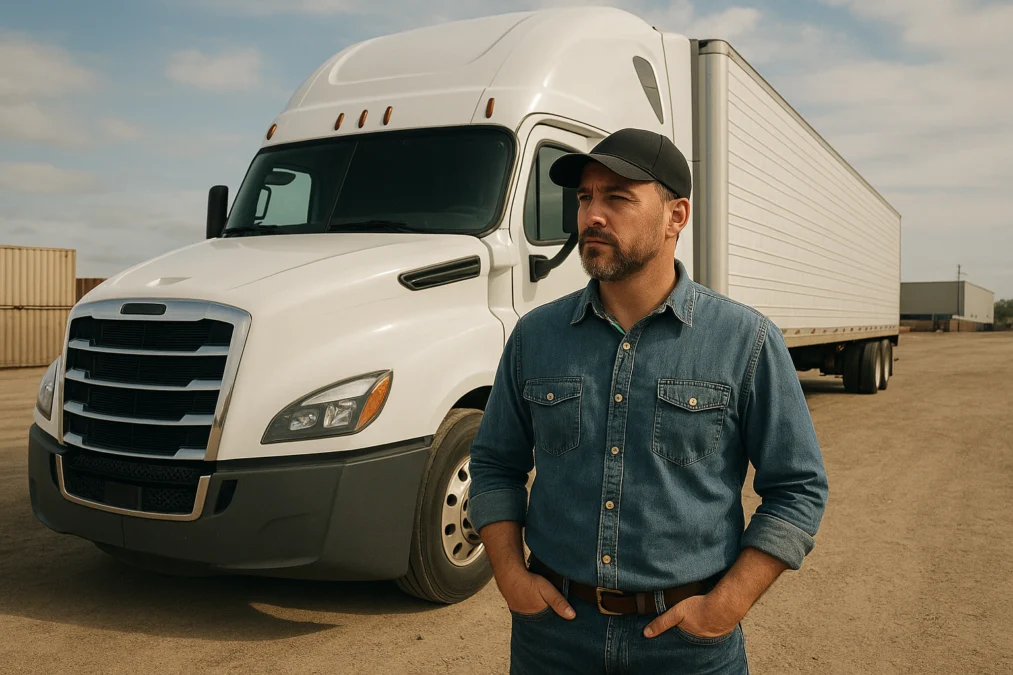
1. Start with a clear purpose for the call
If you are researching truck driving jobs Illinois, your first recruiter conversation should have one goal: learn whether the opportunity fits your work preferences before you spend time on an application. Treat the call like an information exchange, not a performance test.
Go in with three priorities. First, understand the kind of driving the company actually needs. Second, confirm whether the job matches your preferred schedule, home-time pattern, and equipment comfort level. Third, find out how the recruiter wants you to present your background so the application can move efficiently.
A good first conversation is simple, direct, and specific. You do not need to explain your whole career in one breath. Instead, lead with the basics: where you live, what kind of commercial driving you are looking for, and what matters most to you in the next role. That gives the recruiter a framework for useful answers.
2. Know what information you should have ready
Before you call, gather the information a recruiter is most likely to ask for. You do not need a perfect script, but you do need a clean summary of your background.
Prepare your CDL class, current employment status, current city, years of driving experience, and the type of equipment you have handled. Also note any gaps in work history, preferred shift patterns, and whether you want local, regional, or long-haul work. If you have endorsements or specialized experience, keep those details handy without overexplaining them.
Useful preparation checklist:
Current contact information
Home city and state
CDL class and endorsements
Years of driving experience
Recent equipment types
Work history summary
Preferred run type or schedule
Questions you want answered
If you are calling about a specific company such as Lions Empire Inc., remember that openings, routes, equipment, rates, pay, benefits, and schedules must be confirmed per inquiry. Use the call to verify details rather than assuming them from a job title alone.
3. Lead with your job-search objective
Recruiters can help you better when they know what kind of role you want. Be direct about whether you are looking for a company truck position, a different schedule, or a particular kind of freight work. You do not need to sound rigid; you just need to be clear.
A simple opening might sound like this: “I’m a CDL driver based in Illinois, and I’m looking at truck driving jobs Illinois that could fit a steady schedule and a practical home-time pattern. I’d like to understand what your current openings involve.”
That kind of opening saves time on both sides. It helps the recruiter steer the conversation toward relevant roles and avoids a long discussion about opportunities that do not fit your situation. If your priorities are flexible, say so. If they are not, say that too. Clarity is more useful than trying to sound agreeable to every option.
4. Ask what the role actually includes
Job titles can be broad, so use the recruiter call to define the day-to-day work. Ask what freight the driver typically moves, what the general route pattern looks like, and how often schedules change. You are trying to picture the actual workday, not just the title.
Helpful questions include: What kind of runs does the role cover? Is the work local, regional, or nationwide? What kind of pickup and delivery rhythm is typical? How predictable is the weekly structure? Are weekends part of the plan? Does the position involve regular backhauls, multiple stops, or mostly direct runs?
Hypothetical example: A driver hears “nationwide freight” and assumes that means frequent coast-to-coast trips. The recruiter later explains that the work is broader than that and depends on current demand. That driver may still be interested, but now the choice is based on reality rather than assumption.
The key is to ask for a plain-language description. The recruiter should be able to describe the role clearly without relying on buzzwords.
5. Clarify equipment expectations early
Many drivers think about pay first, but equipment fit can matter just as much. Ask what kind of truck and trailer setups are used, what condition drivers can expect the equipment to be in, and whether there are any preferences tied to the role.
You do not need to ask for a full fleet inventory. Focus on the practical points that affect your comfort and readiness: automatic or manual transmission, sleeper or day cab, trailer type, and whether the equipment is assigned or shared. If a recruiter says details vary by opening, ask how those details are confirmed before a driver accepts the role.
This is especially useful when you are comparing truck driving jobs Illinois across more than one company. One opening may look similar to another on paper, but equipment expectations can make the work feel very different. A short clarification now can prevent disappointment later.
6. Discuss home time without vague language
Home time is one of the most important topics in a recruiter conversation, but it is also one of the easiest to misunderstand. Ask for specifics. Do not settle for terms like “good schedule” or “work-life balance” unless the recruiter defines what they mean.
You can ask: How often are drivers typically home? Is the schedule consistent or based on freight needs? Are home-time expectations set by route, shift, or assignment? If a schedule changes, how much notice is usually given? What should a driver expect during busy periods?
Hypothetical example: A driver wants to be home weekly, but the recruiter describes a role with broader regional movement and variable return timing. That does not make the role bad; it just means the driver has enough information to decide whether the schedule fits.
Write down the answer in your own words before ending the call. If you cannot repeat the home-time explanation clearly, it probably needs another question.
7. Ask about route geography in plain terms
Drivers often want to know where they will go, but route geography can be described in broad or narrow ways depending on the company. Ask whether the work stays in-state, covers the Midwest, moves nationally, or changes based on customer demand.
If the recruiter uses regional labels, ask for examples of the general area served. If the role includes Illinois and surrounding states, ask whether that typically means short multi-state hops, longer runs, or mixed patterns. You are not asking for a promise; you are asking for the normal operating footprint.
When talking to a company such as Lions Empire Inc., you can also use the contact page, driver inquiry form, or freight inquiry form to confirm which openings are active and what kinds of routes are currently being discussed. That can help you compare your call notes with written information.
Keep the wording practical: “What areas does this opening usually cover?” is better than asking for a perfect map.
8. Separate confirmed facts from hopeful assumptions
A recruiter conversation goes best when you distinguish between what is confirmed and what is still being explored. Drivers sometimes hear a general description and mentally fill in the rest. That creates confusion later.
A useful habit is to label details in your notes as confirmed, likely, or still unclear. Confirmed means the recruiter stated it directly. Likely means it sounds typical but was not fully verified. Unclear means you still need more information.
Example note set:
Confirmed: Company is hiring for a driver role in Illinois
Likely: Work may include broader regional movement
Unclear: Exact schedule pattern and equipment assignment
This habit matters because your decision should rest on what you know, not what you hope. The more disciplined you are in the first conversation, the easier it is to compare opportunities without getting tangled in impressions.
9. Make pay conversation simple and factual
Drivers understandably care about pay, but the first recruiter conversation works best when the pay discussion stays factual and direct. Ask how compensation is structured, what determines it, and when a driver should expect the recruiter to confirm full details.
You do not need to demand numbers if they are not offered during the first call. Instead, ask what the structure includes, whether it varies by route or assignment, and whether the recruiter can confirm it for the specific opening you are discussing. The same advice applies to benefits and schedules.
Important reminder: For company openings, routes, equipment, rates, pay, benefits, and schedules must be confirmed per inquiry. Even if another driver described a similar role, your own conversation is what matters.
If you are comparing offers, it can help to ask the same compensation question in the same way each time so your notes stay comparable.
10. Ask about benefits in a focused way
Benefits can be an important part of the decision, but the first call does not need to become a long benefits seminar. Ask which benefits apply to the specific opening and whether anything depends on job type or eligibility timing.
Useful questions include: Which benefits are part of this role? Are they the same for all openings? Is the recruiter describing the current opening or the general company package? What should a driver verify later before making a decision?
Avoid assuming that every benefit you have heard elsewhere applies to the role you are discussing. A company may have different details depending on the opening, and those details can change. That is why confirmations matter.
If benefits are a major factor for you, say so early. Recruiters can usually tell when a candidate wants a broad overview versus when a candidate needs to compare several options carefully.
11. Talk about your experience the way recruiters can use it
You do not need to tell your entire life story. Give the recruiter a concise work snapshot that connects directly to the job. Focus on the kind of equipment you have handled, the kind of routes you know, and the type of schedule you have worked.
A practical summary might sound like this: “I have recent CDL driving experience, I’ve handled similar freight movement, and I’m looking for a role that keeps communication straightforward and the route expectations clear.”
If you have a gap in employment or a change in career direction, mention it briefly and honestly. Recruiters do not need a long explanation right away, just enough context to understand your background. A clear summary helps them decide whether to continue the conversation and what follow-up questions matter most.
The point is to make your background easy to sort, not to impress with unnecessary detail.
12. Use the first call to screen for communication quality
A recruiter conversation tells you something about the company beyond the job posting. Pay attention to whether the recruiter answers questions directly, explains unclear terms, and separates confirmed details from general descriptions.
Signs of a useful conversation include straightforward answers, willingness to repeat details, and a clear process for next steps. Signs of a weaker conversation include rushed answers, vague references to “good opportunities,” and uncertainty that never gets resolved.
You are evaluating more than the role itself. You are also evaluating whether this company communicates in a way that fits professional driving work. Drivers need information that is accurate, timely, and practical. If the first call feels scattered, note that carefully before moving forward.
A recruiter does not need to be perfect, but they should be understandable. If you can’t get a clear answer after asking twice, that matters.
13. Prepare a short question order before the call
The best recruiter conversations stay organized. Before you call, line up your questions so the most important topics come first. That way, even if the call is short, you still get the information that matters most.
A strong order is usually: role type, route area, schedule, equipment, compensation structure, benefits, and next steps. If you only have time for a few questions, prioritize the items that affect whether you would actually take the job.
Sample question order checklist:
What kind of role is this?
Where does the work usually go?
What is the normal schedule?
What equipment is used?
How is compensation structured?
What benefits apply to this opening?
What is the next step?
This structure keeps you from asking about small details before you know whether the role even matches your basic goals.
14. Organize your notes while the conversation is fresh
Take notes during the call if you can, or immediately afterward if you are driving or away from a quiet place. The value of the note is not literary quality; it is recall. You want enough detail to compare opportunities later.
Use a simple format with three columns in your head or on paper: confirmed details, questions still open, and follow-up items. Write down names if you were given them. If the recruiter asked for documents or a later callback, record that clearly.
Example note summary:
Confirmed: Illinois-based driver opening discussed
Open: Exact schedule and equipment assignment
Follow-up: Send experience summary through the driver inquiry form
This habit helps when you are speaking with several recruiters over a short period. After two or three conversations, small details blur quickly. Clean notes preserve the facts that should guide your decision.
15. Handle uncertain answers without losing the conversation
Sometimes a recruiter cannot answer every question on the first call. That does not always mean the opportunity is weak. The important thing is whether the recruiter can explain how and when the answer will be confirmed.
If you hear, “I need to check on that,” follow up with a timeline. Ask when you should expect the answer and whether it depends on the specific opening. That turns a vague promise into a usable next step.
Hypothetical example: A driver asks about a specific route type and the recruiter says it varies by current demand. Instead of arguing, the driver asks what information can be confirmed now and what will be checked later. That keeps the conversation productive.
You are looking for a process, not perfection. A recruiter who gives partial information but commits to a clear follow-up is often more useful than one who gives quick but fuzzy answers.
16. Decide what matters most before comparing opportunities
Drivers sometimes compare job offers too early by focusing on just one factor, like home time or equipment. It is better to decide your top priorities before you start comparing multiple recruiter conversations.
Rank the issues that matter most to you. For some drivers, schedule predictability is the top factor. For others, route geography or equipment assignment comes first. If you know your priorities, you can evaluate each call against the same standard.
Priority ranking checklist:
Schedule fit
Home-time pattern
Route area
Equipment type
Compensation structure
Benefits
Communication quality
Once your priorities are ranked, it becomes easier to say no to openings that look fine on the surface but miss a key requirement. That saves time and reduces the chance of accepting a role that sounds better than it really is.
17. Use company contact tools the practical way
When a company provides a driver inquiry form, freight inquiry form, contact page, phone number, or email, use the channel that best matches your question. A phone call is often best for immediate clarification. A form can be better when you want to provide a clear written summary. Email is useful when you want a paper trail.
For Lions Empire Inc., the registered office is in Palatine, Illinois, and the company can be reached through the contact details provided, including phone +1 (708) 722-1817 and email Drive@lionsempire.com. Use those channels to confirm current openings and details rather than assuming anything from a general description.
Good practice is to send a short written note after the call if you need confirmation. Keep it simple: who you are, what opening you discussed, and which details you want verified. That gives the recruiter a clean record and gives you a reference point later.
18. Avoid common first-call mistakes
The first recruiter conversation can go off track in predictable ways. Drivers sometimes talk too much before asking anything useful. Others ask so many questions in rapid succession that the recruiter cannot answer clearly. Some focus on details that only matter after the basics are confirmed.
Common mistakes to avoid:
Assuming the title tells you everything
Leaving home-time unclear
Forgetting to ask about equipment
Treating unconfirmed details as fact
Skipping notes
Ending the call without next steps
The best calls feel organized, not rushed. They move from general fit to practical details to follow-up. If you leave the call still unsure about the basics, that is a signal to ask one more clarifying question before you hang up. A short extra minute now can save a lot of frustration later.
19. Hypothetical conversation examples you can learn from
Example one: A driver calls about truck driving jobs Illinois and starts by saying they want regional work, a straightforward schedule, and clear communication. The recruiter explains that the opening involves Illinois and nearby states, with route timing confirmed per assignment. The driver writes down the facts and asks for next steps through the driver inquiry form.
Example two: Another driver says they are open to broader nationwide freight but wants to know whether home time is consistent. The recruiter explains that schedule details depend on the specific opening and current demand. The driver asks what can be confirmed now, then follows up by email to keep the discussion organized.
Example three: A driver with past experience asks about equipment but forgets to ask about route area. After the call, they realize the opening sounds fine but not ideal for their preferences. That example shows why question order matters: the right questions early can save you from making a decision with missing context.
20. End the conversation with a clear next step
Never finish a recruiter call without knowing what happens next. Before hanging up, confirm whether the recruiter wants an application, a document, a follow-up call, or a message through the contact page or inquiry form. If you are interested, make that clear.
A good closing line might be: “Thanks for the information. I’d like to keep going. What’s the next step, and what should I send you?”
If you are not ready, say that too. You can ask for time to review your notes and then follow up. What matters is leaving the conversation with a defined action, not a vague promise to reconnect someday.
For CDL drivers researching truck driving jobs Illinois, that final step is often what turns a first contact into a real opportunity. When your questions are organized and your notes are clear, the recruiter call becomes a practical decision tool rather than a guessing game.
Frequently asked questions
How much should I say in the first recruiter call?
Enough to explain your background, what kind of driving you want, and your main priorities. Keep it focused so the recruiter can answer the most important questions clearly.
What if the recruiter cannot answer everything right away?
Ask what can be confirmed now and when the missing details will be available. A clear follow-up process is better than a fast but uncertain answer.
Should I ask about pay on the first call?
Yes, but keep it practical. Ask how compensation is structured and whether the details apply to the specific opening. Confirm anything important before making assumptions.
Is it okay to use a form instead of calling?
Yes. A driver inquiry form or email can help you organize your questions in writing. A call is often better for quick clarification, and both can work together well.
Discuss your next driving role
Share your location, experience and priorities. Recruiting can explain current openings and the next step.
Contact Lions Empire · +1 (708) 722-1817 · Drive@lionsempire.com
Have a question for our team?
Discuss current driver opportunities or your next freight inquiry.
Contact Lions Empire