

Read the route behind the regional label
Regional trucking jobs can describe different patterns of work. One opening might involve repeated trips between a small group of facilities. Another might cover a broad region with changing destinations. A third might use regional language while leaving the actual assignment pattern to a later conversation. The label is a starting point for questions, not a complete description of the job.
A good route comparison begins with what the driver would do during a representative cycle. Ask where the cycle starts, what kinds of stops it includes, how instructions are delivered, and how the next cycle is arranged. This produces a practical picture that is easier to evaluate than a list of states. The geographic area matters, but it becomes meaningful when connected to the sequence of work.
Lions Empire provides freight service across the United States. A discussion of regional driver work does not limit that nationwide service area. The recruiting question is whether a current opening has a route pattern that fits your location and requirements. This guide helps organize that comparison without claiming that a particular regional position, schedule, or customer assignment is currently available.
Draw a route cycle using plain language
You do not need mapping software to understand an opening. Start with a few written steps: report, collect equipment, reach the first pickup, complete the planned stops, and receive the next instruction. Ask the recruiter where those steps usually happen for the proposed role. Add a separate line for any information that is not yet confirmed.
A rough route cycle can show a problem that a job headline hides. For example, the destinations may be reasonably close to your home while the reporting point is much farther away. Alternatively, the work may include longer stretches between facilities but start from a location that suits you. Neither arrangement can be judged from the word regional alone.
Use this exercise to identify what you need clarified. If the recruiter describes a cycle that returns to a starting point, ask whether that is a regular structure or just one example. If the next assignment can begin elsewhere, ask how that transition is communicated. The goal is to understand the work sequence, not to obtain a promise that the same route will appear on every future trip.
Define the region for the specific opening
Terms such as Midwest, Southeast, and Northeast are useful shorthand, but a recruiting conversation needs more detail. Ask which locations or corridors are relevant to the role and whether those are the regular operating pattern or possible destinations. A driver who hears regional work might imagine a smaller area than the recruiter intends. Resolve that difference early.
Avoid turning a list of states into an automatic conclusion about home time. A route within several neighboring states can still involve a schedule that keeps a driver away from home. A role covering a larger area may have a different cycle. The appointment sequence, reporting arrangement, and return process should be considered alongside geography.
A hypothetical driver in Kentucky might be interested in routes reaching neighboring states but need clarification about where equipment is picked up. Another driver could be comfortable crossing a larger region if the assignment cycle is clearly described. Their requirements differ even if they search for the same keyword. Explain your own situation, then ask how the proposed opening fits it instead of relying on a regional boundary that neither side has defined.
Separate recurring lanes from changing destinations
Ask whether the opening involves recurring lanes, a changing group of destinations, or a mixture. A recurring lane can make some parts of an assignment more familiar, but it does not establish identical freight, appointments, or working conditions every time. A changing destination pattern can offer variety while requiring a different way of preparing for each stop.
Discuss what information is provided when a destination is unfamiliar. Are facility instructions included with the assignment? How are arrival contacts and changes communicated? If a role involves repeated locations, ask how a revised customer instruction reaches the driver. Familiarity with a facility should not be confused with current confirmation of its requirements.
For a hypothetical comparison, Role A involves a recurring pair of locations and Role B involves several locations selected from the same region. The driver should compare the information supplied, the expected stop sequence, and the communication process. Choosing between them is a matter of fit, not proof that one arrangement is universally better. You may value a recognizable pattern, varied destinations, or a balance between both. Make that preference visible during recruiting.
Compare the reporting arrangement carefully
A route can be attractive while the reporting arrangement remains impractical. Ask where the driver begins the assignment, how equipment is collected, and where the truck is expected to be returned when the cycle ends. Clarify whether those locations are the same and whether the arrangement being discussed applies to the exact opening.
Your commute and your freight route are separate considerations. A driver may be willing to spend time away on the road but not want a long recurring trip to collect equipment. Another might accept a different reporting point if the cycle is arranged in a way that fits. Neither preference is unreasonable; recruiting needs the information to discuss a workable role.
Ask who confirms any parking or collection arrangement and when that confirmation is provided. Do not rely on an office address as a substitute for a reporting instruction. Lions Empire's registered office is in Palatine, Illinois, while its freight service is nationwide. That address identifies the business. The start point of a current driving role should be explained directly so that your comparison uses the actual arrangement.
Examine stop density rather than distance alone
Two routes can cover a similar geographic area while requiring different kinds of work. One might involve a single pickup and delivery. Another might include several facility visits, more frequent check ins, or a different appointment sequence. Ask for a representative stop pattern so that you understand what the regional label means for the opening.
Do not assume that fewer stops automatically means a simpler week or that more stops automatically means a better opportunity. Ask what information is supplied before each stop, what responsibilities apply at the facility, and how changes are handled. The complete duty mix matters more than a simple count. Compensation questions should use the same stop pattern that operations describes.
Imagine a hypothetical route with three deliveries in one area compared with another route involving a longer single delivery. The driver might prefer either depending on communication style, scheduling needs, and the work involved. Record the questions that distinguish the two: appointment visibility, facility tasks, documentation, and the transition to the next assignment. This helps you evaluate the role without inventing a daily mileage total or assuming how a customer will handle every visit.
Understand appointment rhythm and advance notice
Ask how far ahead a driver receives the current appointment sequence and which details are still being confirmed when an assignment is introduced. Knowing a destination is not the same as knowing a confirmed arrival window. A clear distinction helps you evaluate how much planning information is available for the role.
Discuss how changed appointments reach the driver. Where is the current information recorded? Who confirms that a previous instruction has been replaced? If an arrival time becomes uncertain, ask who reviews the plan and contacts the appropriate parties. The goal is to understand the communication process rather than create an expectation that every planned time will remain unchanged.
A hypothetical driver comparing regional openings might find that one role supplies a complete sequence earlier while another confirms later stops as the trip develops. That difference could matter to someone who values advance visibility. Another driver may be comfortable with changing details if the update process is clear. Describe your preference and ask how the actual opening is organized. Do not infer advance notice from the fact that the region is smaller than a nationwide route map.
Ask how the return portion is arranged
The outbound destination is only part of a regional cycle. Ask what happens after the final planned delivery and how the next assignment is communicated. Does recruiting describe a return to a reporting point, a new pickup, or a decision that depends on the work available? Ask which explanation applies to the role under discussion.
Keep return planning separate from guaranteed home time. A route returning toward your home state does not automatically mean that you will finish at home. An example of a return trip does not establish that every cycle will follow the same path. Record the actual expectations, the notification process, and any detail that still needs confirmation.
Consider a hypothetical opening that regularly ends near a collection location compared with one that can transition into another assignment elsewhere. A driver who needs a more defined cycle may evaluate those differently. Ask how the company communicates the next step and what happens when the expected return changes. This is a practical comparison of arrangements, not a prediction of freight availability. A useful answer explains the role's structure without promising that future loads will appear in a particular place.
Discuss home time with a calendar example
A calendar example turns a broad preference into a question recruiting can evaluate. Explain the pattern you would like considered, including any date that is a firm requirement. Ask how the current opening's expected cycle relates to that pattern and what needs confirmation. Avoid assuming that regional work always means a particular frequency of returning home.
Distinguish the time when an assignment ends from the time when you are actually at home. Collection, return, travel, and reporting arrangements can affect the practical experience. Ask how the company describes home time so that you and the recruiter are using the same meaning. If the answer is an example, mark it that way in your notes.
A hypothetical driver may be comfortable with varied weekdays but need a clearer return window for an existing commitment. Another may need a recurring pattern even if the destinations change. These are different requirements, and neither is answered simply by naming a region. Use your own calendar to explain the need, then ask whether a real opening can support it. Current schedules and role terms should be confirmed directly rather than inferred from a general recruiting guide.
Evaluate the transition between assignments
Ask what a driver normally knows at the end of one assignment about the next one. The transition can include receiving new load details, changing equipment, reporting to another location, or waiting for a confirmed instruction. The particular arrangement should be described for the current opening. Do not assume that a repeating geographic area creates a repeating transition.
Discuss who handles unanswered questions at that point. If the next pickup is introduced before the previous delivery is complete, where does the driver find the final confirmed details? If plans change, what is the communication path? Clarity about the transition helps a driver avoid treating a tentative discussion as a finished assignment.
For a hypothetical comparison, one regional role may involve a familiar reporting routine after a cycle, while another may connect several assignments without that routine. A driver can compare the information available and the expected process in each case. The useful distinction is not whether one sounds busier. It is how the work is organized, what the driver is told, and whether the arrangement fits the driver's stated preferences and availability.
Match compensation questions to the actual route
A route comparison and a compensation comparison should describe the same work. Ask how the proposed opening calculates compensation and what conditions apply to any additional items. If a role includes several stops or facility tasks, include those in the scenario you discuss. A headline number without the assignment details is difficult to interpret.
Present a hypothetical cycle and ask how its components would be recorded. Mention the pickup, delivery sequence, waiting, and any task that recruiting has identified. Ask what documentation is required and who answers a question about the resulting record. This exercise can be useful without stating an earnings estimate or guessing at future mileage.
When comparing two openings, note the compensation method beside each role's confirmed duty pattern. Keep conditional terms attached to the conditions. If one question remains unresolved, do not fill the gap using another company's explanation or a social media comment. Lions Empire should confirm the terms of any current role directly. This guide offers a structure for the discussion and does not publish a company wage, guarantee, or benefit package.
Ask about customer and facility communication
A driver may communicate with dispatch, a facility contact, or another person at different points in a regional assignment. Ask how those responsibilities are divided for the opening. Who supplies arrival instructions? Who handles a changed appointment? Who should receive an update if a facility cannot match the load reference to its records?
Good questions focus on the current process. Ask where contact information appears and how the driver finds a replacement contact if the original person is unavailable. If repeated locations are part of the role, ask how revised instructions are distributed. A familiar customer name should not be treated as a reason to skip checking the current assignment information.
Imagine a hypothetical driver reaching a location that has changed its receiving contact. The recruiting comparison is about how the company helps the driver resolve that issue, not about blaming the facility. A clear route description should include the communication needed at stops. This can affect how well the role fits your working style even when the geographic area and number of deliveries look similar to another opportunity.
Consider equipment use across the cycle
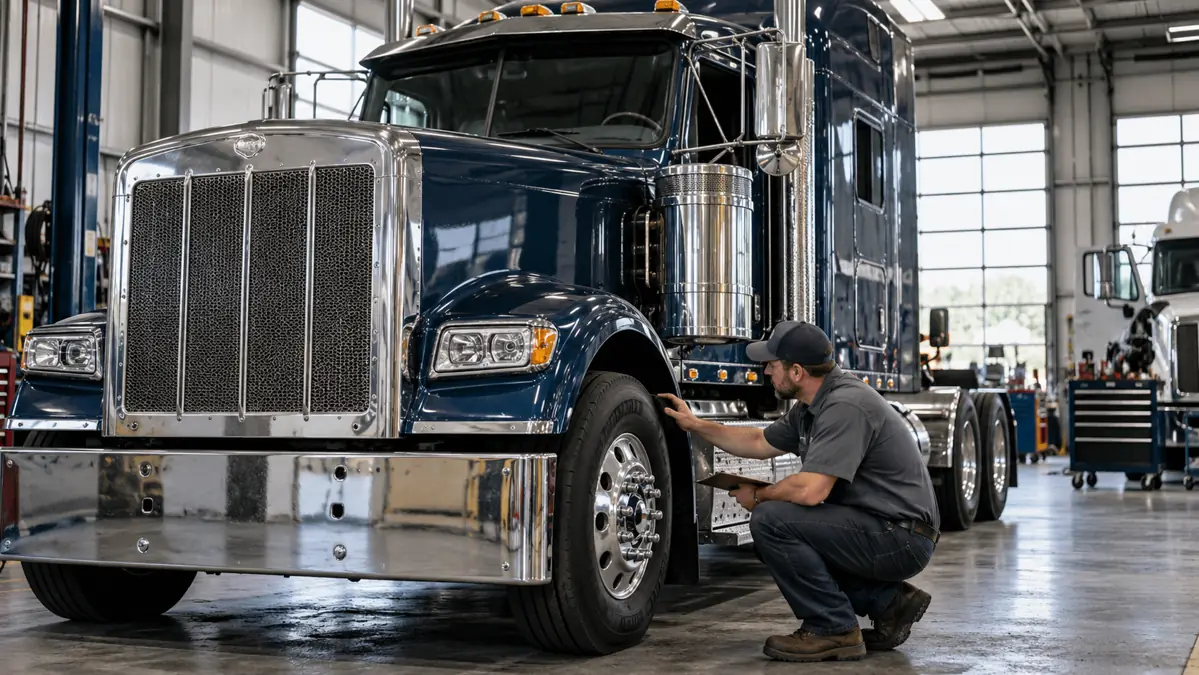
Ask which equipment arrangement applies to the regional opening. Relevant details may include how a truck is assigned, how trailers are collected or exchanged, and where information about equipment is provided. These questions should be answered for the proposed role rather than assumed from a general fleet photograph.
Discuss what happens if the equipment arrangement changes during a cycle. Who provides the new collection location and timing? Where are the instructions recorded? If you need to bring personal items, ask about the assigned space and any relevant company policy. The model name alone may not answer the practical question you have.
A hypothetical driver might compare a role using an assigned truck with another opening where the collection routine needs further explanation. The comparison should record that difference without claiming one system is always preferable. Drivers have different needs for storage, routines, and reporting arrangements. Ask about the details that matter to you, and leave unconfirmed features open until recruiting or operations provides a current answer. Do not turn a marketing description of modern equipment into a promised specification.
Explore how interruptions change the regional plan
A smaller geographic area does not eliminate changes to freight plans. Ask how the company handles a canceled pickup, a delayed facility, or an equipment interruption in the context of the specific opening. You want to understand who coordinates the response, how the driver receives the next instruction, and what information should be reported.
Separate the operational plan from the terms attached to time or tasks affected by the interruption. One contact may explain the revised assignment while another explains the compensation record. Ask how those questions reach the appropriate person. A clear process is more useful than an unsupported statement that delays never happen.
For a hypothetical example, a driver could complete the first delivery in a cycle and then learn that the next pickup has changed. Ask how the revised plan is confirmed and whether the reporting or return expectation is affected. Use the example to compare communication and decision paths. It is not a forecast of customer behavior, a promise of replacement freight, or an instruction to continue under an uncertain plan.
Compare two regional openings in a simple matrix
Imagine two hypothetical roles. Opening A includes recurring lanes and a reporting point that needs further clarification. Opening B has a confirmed collection location and destinations that change across a region. Neither example includes a pay rate or a guaranteed schedule. The driver should compare the details that determine fit instead of assuming that the most familiar route is the better choice.
Create rows for reporting, operating area, stop pattern, appointment visibility, return process, compensation method, equipment, and communication. For each role, write the actual answer, its confirmation status, and the follow up needed. A blank item is meaningful information. It shows where the decision is premature and makes the next recruiter message more focused.
Suppose Opening A's collection arrangement turns out to require travel the driver cannot accommodate. Opening B might then fit better despite less predictable destinations. Alternatively, the driver might prefer the recurring pattern after its reporting detail is resolved. The value of the matrix is that it allows either conclusion based on clear facts. It replaces a vague comparison of regional labels with a review of the work that would actually be offered.
The nationwide OTR guide adds questions about longer assignment cycles when those roles are also part of your search.
Prepare a concise route preference profile
A route preference profile is a short introduction that helps recruiting identify a relevant conversation. Include your home location, recent equipment and route experience, availability, preferred assignment pattern, and the requirements that would affect your decision. Keep the profile accurate and concise. You do not need to list every highway you have traveled or every job search phrase you have used.
Make preferences concrete. If you favor repeated destinations, say that. If changing destinations are acceptable but you need a clear reporting routine, explain it. If your main priority is the process for planning returns, ask about that directly. Specific preferences give recruiting more useful information than saying you want an easy route or a good job.
Check the profile before sending it. Keep dates consistent with your own records and avoid implying experience you do not have. Ask which secure application process is used if additional records are needed. An initial inquiry can explain your background without carrying sensitive documents. The purpose is to open a focused discussion about a current role, after which the company can confirm requirements and the next stage.
Keep nationwide coverage separate from the route choice
A company can serve customers across the United States while individual driver roles use different route patterns. Do not treat a regional recruiting conversation as a statement that the business only handles freight in that region. Likewise, a nationwide map does not identify the precise trip a new driver would receive. These are separate messages for separate questions.
For Lions Empire, the registered Palatine office provides company identity while freight needs can be discussed nationwide. A driver asking about regional trucking jobs should explain the route pattern sought and ask what current openings could fit. A shipper with an origin and destination should use the freight inquiry form. The service conversation concerns the shipment; the recruiting conversation concerns the proposed role.
This distinction helps you read a website more accurately. A city name in an article can describe where an applicant lives or a scenario used for comparison. It need not define the carrier's operating boundary. Ask for the relevant assignment details rather than rejecting or accepting a role based on the office location. A clear question about your reporting arrangement is more useful than an assumption about the business's entire geographic reach.
Send the questions that will move your search forward
After reviewing a regional opening, select the unresolved items that matter most. Send a short message explaining your location and relevant experience, then ask about the route cycle, reporting arrangement, and expected return process. Include any firm scheduling requirement. A focused inquiry gives recruiting a better starting point than an unstructured list of general concerns.
The driver inquiry form is designed for this kind of introduction to Lions Empire. The contact page also provides ways to reach the team: +1 (708) 722-1817 and info@lionsempire.com. Ask about current openings rather than assuming a position is available from the title of this guide. Requirements, equipment, schedules, and compensation should be confirmed for the exact role under discussion.
Keep the reply with your comparison notes and update any item that becomes clearer. If the company describes an illustrative cycle, ask what is confirmed before taking the next step. Your search becomes more productive when each conversation resolves a specific question. The right route comparison shows how the assignment fits your life while keeping Lions Empire's nationwide freight scope separate from the individual opportunity.
Frequently asked questions
Does regional trucking always mean frequent home time?
No specific home time arrangement follows from the label alone. Ask how the proposed role plans returns and how that fits your calendar requirements.
How should I compare two regional routes?
Use the same categories for both: reporting arrangement, operating area, stop pattern, appointment information, return process, equipment, communication, and compensation method.
Does regional recruiting limit Lions Empire freight service?
No. Lions Empire serves freight needs nationwide. A regional role discussion concerns a particular assignment pattern rather than the full service area.
What should my first regional driver inquiry include?
Include your home location, relevant experience, availability, preferred route pattern, firm scheduling requirements, and the questions that would affect your decision.
Discuss your next driving role
Share your location, experience and priorities. Recruiting can explain current openings and the next step.
Contact Lions Empire · +1 (708) 722-1817 · info@lionsempire.com
Have a question for our team?
Discuss current driver opportunities or your next freight inquiry.
Contact Lions Empire