

What nationwide OTR work means for your search
Searching for OTR truck driver jobs brings together openings that can look similar in a headline and feel different during an ordinary working week. Over the road work generally involves longer trips, but that label alone does not explain where an assignment starts, how much advance information a driver receives, or when a trip is expected to end. Your first goal is to understand the actual opening before comparing it with another opportunity.
Lions Empire serves freight needs across the United States. Its registered office in Palatine, Illinois, is a company contact location rather than a boundary around the freight service area. A driver can ask about nationwide work without assuming that every opening has the same reporting point, route pattern, or home time arrangement. Recruiting should confirm those details for the role being discussed.
Start your search with a short description of your situation: home location, relevant driving experience, preferred trip length, available start date, and the questions that matter most to you. This makes a conversation useful even when the exact opening is still being confirmed. You are trying to find a workable match between the assignment and your life, not simply collect the largest number of callbacks.
Separate your home location from the operating area
A nationwide freight business can serve customers far beyond the place where its office is registered. The same distinction matters when you look at driver jobs. Your home address, the place where equipment is collected, and the locations reached during a trip are three different pieces of information. Keep them in separate lines of your notes so that one answer does not silently stand in for another.
Ask where the particular role reports and how a driver from your home area would begin an assignment. If travel to equipment is part of the arrangement, ask who organizes it, what information is provided, and which expenses need to be discussed. If the recruiter cannot confirm a reporting point yet, record that as an open item rather than treating the office address as the answer.
For example, a hypothetical driver living in Tennessee might consider a company with an Illinois registered office and nationwide customers. That does not establish a Tennessee based opening or require the driver to commute to Palatine every week. The useful question is how the proposed assignment would work for that driver's actual home location. A specific explanation can make the opportunity easier to compare.
Describe the working week you can accept
Before asking a recruiter to describe an ideal week, define your own boundaries. Consider how long you are willing to be away, how much notice you need before starting, what commitments you must plan around, and whether you want the same pattern each cycle. Write the facts without turning them into a long personal history. Clear requirements help both sides focus on a role that can realistically fit.
Distinguish a firm requirement from a preference. A driver might need a certain day at home for an existing commitment but merely prefer a particular route region. Another might be flexible about destinations while needing reliable information about the next return window. Those are different matching problems. If you call both items essential, recruiting has less room to discuss options that could work.
Ask whether the proposed pattern is a regular arrangement, an example, or an expectation that can change with individual loads. Make room in your comparison notes for that answer. An explanation of how changes are communicated often tells you more than a broad promise about flexibility. Your goal is a shared understanding of the assignment, including the points that still need confirmation before you decide.
Ask for a representative trip, not a perfect trip
A representative trip helps turn an OTR listing into something you can evaluate. Ask the recruiter to walk through an example from reporting to the truck through the final delivery and the next decision about returning or continuing. The answer does not have to identify a customer's private details. It should explain the sequence of work and the points at which a driver receives new instructions.
Listen for the number and type of stops, the communication between stops, and the way the next load is introduced. Ask what the driver would know before departure and what might be confirmed later. If every example describes a smooth run with immediate loading, add questions about a trip with a delayed appointment or a changed delivery plan. These follow ups reveal the process behind the headline.
Treat any example as an illustration unless recruiting identifies it as the actual offered assignment. A carrier's nationwide coverage does not make every pictured highway part of your next route. Keep the example useful by asking what parts are typical for the role and what parts depend on the customer. A realistic description should help you imagine the work without creating a guarantee about future freight.
Understand how dispatch communication is organized
Communication shapes the experience of an OTR role because important decisions can arrive while the driver is away from a reporting location. Ask who provides assignment information, how routine questions should be sent, and which contact handles a problem that cannot wait. You are looking for a practical communication structure, not a promise that someone will always answer every channel instantly.
Discuss what should be included when reporting a delay. Useful details may include the load reference, current location, appointment information, and a plain description of the issue. Ask whether the company has a preferred format and how the driver should confirm that an important update has been received. Understanding that process before a first trip can prevent unnecessary back and forth.
Also ask how dispatch changes are documented. If a destination, appointment, or reporting instruction changes during a conversation, where does the driver find the current version afterward? A hypothetical driver comparing two roles might value written assignment updates over a particular messaging app. The app name matters less than a clear agreement about where instructions live and how urgent matters are escalated while driving responsibilities remain the priority.
Compare compensation using the same assumptions
A pay headline is difficult to compare when the underlying work is described differently. Ask how compensation is calculated for the particular opening, which activities are included, and which items have separate conditions. Write down the calculation method before trying to turn it into an expected week. Do not assume that a national route label establishes mileage, earnings, or a minimum amount of work.
Use the same hypothetical scenario with each recruiter. Describe a trip with a pickup, a delivery, some waiting, and a possible schedule change. Ask which parts would appear in the compensation record and what documentation would be needed. You do not need to invent a wage rate to make this comparison useful. The purpose is to understand the components and the rules attached to them.
Ask when the company provides the written explanation and who can answer questions after a statement is issued. If a detail is conditional, keep the condition next to it in your notes. A number without the associated requirement can be misleading. Lions Empire recruiting should confirm the terms of any current role directly; this guide does not state a company pay rate or promise an income level.
Look closely at waiting and interrupted plans
A longer trip includes more than the time spent moving between cities. Ask what happens when a pickup is not ready, a delivery appointment changes, or a load is canceled before departure. The recruiter may refer you to operations for a detailed explanation. That is useful if it produces a clear account of the process and the information a driver is expected to provide.
Separate three questions: who communicates with the facility, who decides the next operational step, and how any compensation issue is handled. They may have different answers. If you ask only whether waiting is paid, you can miss the practical issue of who is helping resolve the delay. If you ask only about dispatch support, you may leave the terms unclear.
Consider a hypothetical appointment that moves from the morning to the afternoon after the driver has already checked in. Ask how the driver records that change, when to update the team, and where the revised plan is confirmed. This is a comparison exercise rather than a prediction about a carrier's customers. It helps you understand how an ordinary disruption would be managed during nationwide work.
Confirm the equipment arrangement for the opening
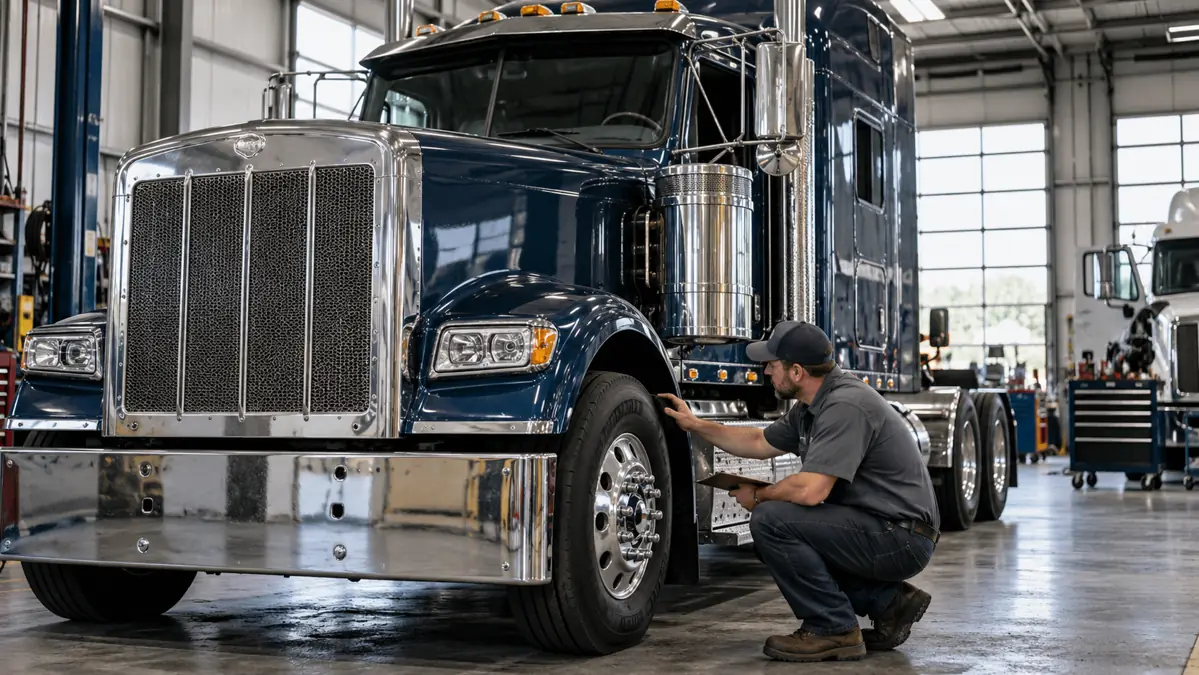
Photos can show the kind of trucking a business wants to communicate, but they cannot establish the equipment assigned to a particular driver. Ask recruiting to confirm the truck and trailer arrangement for the opening under discussion. Relevant questions include whether a truck is assigned to one driver, what information is provided before collection, and whom to contact when something needs attention.
Discuss the features that affect your day rather than judging equipment only by appearance. Ask about storage, sleeping arrangements where relevant, communication equipment, and the process for familiarizing yourself with an assigned vehicle. If a feature matters to you, name it. A general description such as modern equipment is not a substitute for an answer about the specific configuration.
For a hypothetical driver who carries personal bedding and cooking supplies, available space may matter as much as the truck's model name. Another driver may be concerned about the way a replacement truck is arranged during maintenance. These are practical questions for recruiting or operations. Do not infer a fleet's age, brand mix, or guaranteed amenities from a website photograph; confirm current details before making a commitment.
Discuss maintenance support as a process
Maintenance questions are more useful when they describe a sequence of decisions. Ask whom a driver contacts about an equipment concern, how the issue is recorded, and how the company communicates the next step. This conversation should establish the support process for the proposed role. It should not turn into an attempt to diagnose a mechanical problem during a recruiting call.
Ask how an assignment changes when the truck needs service. Who updates the delivery plan? Where does the driver receive a revised instruction? If another truck may be used, who explains the collection arrangement? Answers can help you evaluate how the company organizes a disruption without promising that any particular repair will be immediate or that replacement equipment will always be available.
Imagine a hypothetical driver who notices an issue before the next departure. The useful recruiting question is what information the company expects and how it decides the next operational step. The driver still follows the relevant equipment instructions and safety procedures for the situation. A clear reporting path is valuable because it reduces ambiguity; a website guide cannot replace hands on instructions or confirm that a specific vehicle is ready for a trip.
Clarify loading, unloading, and freight related tasks
OTR describes a route pattern, not the complete list of duties. Ask whether the opening involves loading or unloading responsibilities, how those tasks are assigned, and which details are communicated before arrival. Do not assume that every longer trip is handled the same way at every facility. The customer, freight, equipment, and individual assignment can affect what the driver is asked to do.
Ask how load information is supplied and how discrepancies should be reported. If the documents, trailer, or freight description do not match the assignment, who is the first contact? Ask whether operations supplies facility instructions in advance and how the driver receives updates. This is about understanding the company's process, not providing a generic procedure for handling every type of cargo.
A hypothetical comparison might involve one opening described as straightforward highway work and another with several facility visits. The second description is not automatically worse, and the first is not automatically easier. What matters is the actual duty mix, the information available before each stop, and the compensation terms attached to the work. A clear description lets you compare the full assignment instead of relying on a route label.
Ask about appointment information and changes
For nationwide work, appointment information can influence the sequence of a trip and the planning between stops. Ask what details a driver normally receives before departure, how a facility contact is identified, and where revised appointment information is recorded. The answer should distinguish an actual confirmed appointment from an estimated arrival discussed during planning.
Ask how a driver communicates when a schedule no longer appears workable. You want to know who reviews the issue and how the next instruction is provided. Avoid framing the question as whether the driver must always meet any time shown in a message. A useful company process allows relevant information to reach the people arranging the shipment and keeps the current plan clear.
For example, a hypothetical load could have an early pickup and a delivery appointment several days later, while another could require several closely arranged stops. Both might appear under an OTR heading. Ask the recruiter which kind of work is relevant to the opening and how much of the sequence is known beforehand. This helps reveal the role's planning demands without assuming that any advertised example will repeat exactly.
Evaluate life in the truck without making assumptions
When a role involves extended time away, the practical details of living around the assignment deserve attention. Think about what you bring, how you organize supplies, and which arrangements need confirmation before you collect equipment. Ask about the assigned truck's available facilities where relevant and the company process for items that affect its use. Keep the discussion tied to the opening rather than a general lifestyle image.
If passengers, pets, or personal equipment are important to you, ask about the current policy and any approval process. Do not assume permission from a photo, a casual comment, or another driver's experience with a different employer. Record whether the answer applies to the role being offered and when any required confirmation would be provided.
A hypothetical driver may discover that a role's route pattern fits well but an unconfirmed personal arrangement makes the decision premature. Another may find that the equipment setup is comfortable while the planned trip length does not fit family commitments. Neither conclusion requires a claim that one form of trucking suits everyone. A sound comparison considers the work and the day to day arrangements together.
Plan home time as a specific conversation
Home time becomes clearer when you talk about a sequence rather than a slogan. Ask how requests are communicated, how the expected return is discussed, and how a driver is notified if the plan changes. Confirm whether the proposed pattern refers to time at home, time between assignments, or an example of an ordinary cycle. Those phrases can describe different arrangements.
Bring a realistic requirement to the call. Instead of saying that you need good home time, explain the dates or recurring pattern you would need recruiting to consider. Ask whether the current opening can accommodate that requirement and which details remain subject to confirmation. Keep any unresolved item visible in your notes. A positive general response does not settle a specific calendar question.
Consider a hypothetical driver who can be away for a longer trip but needs advance notice of the next return window. Another may accept changing destinations but need a more regular cycle. Both could search for OTR truck driver jobs, yet they would evaluate the same opening differently. A useful recruiter conversation identifies these differences before either person assumes that a national route description is enough.
Compare solo and team arrangements separately
If a listing mentions team work, confirm whether the particular opening is a solo role, a team role, or an option that still needs discussion. Do not blend them into one compensation comparison. Ask how an assignment would be organized, who the working partner would be if relevant, and how communication and equipment arrangements are explained before you proceed.
A driver considering a team opportunity should discuss the proposed working relationship directly. Questions about shared space, personal storage, communication preferences, and the process for raising concerns can be practical without making assumptions about another person. Ask whether a driver applies with a chosen partner or whether a different arrangement is under consideration. The company should confirm the current process.
A hypothetical solo driver might value independent routines and a familiar truck setup, while a hypothetical team pair might prioritize how shared assignments are coordinated. These preferences are not proof of which role pays more or provides better home time. Compare each opening using its own confirmed terms. Lions Empire's nationwide freight service does not establish that a specific solo or team position is currently available; recruiting can explain current opportunities.
The regional jobs guide offers a separate route cycle comparison if you are also considering an opening with a different assignment pattern.
Prepare an accurate experience summary
An experience summary helps recruiting understand where a conversation should begin. Include the type of equipment you have operated, the kinds of routes you have driven, and the dates needed to explain your recent work history. Keep descriptions factual. If you have not done a particular task or route pattern, say so and ask what the opening requires.
Separate experience from preference. A driver may have several years of regional work and now want longer trips. Another may have OTR experience but be looking for a different communication style or assignment pattern. Your preference can guide the discussion, but it should not be presented as experience you already have. Clear distinctions make follow up questions more productive.
Before submitting details, check names, dates, and contact information against your own records. Do not send sensitive documents through an unfamiliar channel merely because someone requests them during an initial exchange. Ask which secure application process the company uses for required records. The first inquiry can be a concise introduction; recruiting can explain what is needed for the next stage and whether your background matches a current opening.
Know what the first call should accomplish
A first call does not have to answer every question about a potential job. It should establish the nature of the opening, your relevant background, the main scheduling requirements, and the next step. Identify the three issues that would change your decision most. Ask those early enough that the conversation does not end with important assumptions still hidden.
Keep a simple record with confirmed details, questions awaiting an answer, and information you need to supply. After the call, send a short clarification if your notes reveal a misunderstanding. For example, you might confirm the reporting location or ask whether a trip pattern was illustrative. A focused follow up is easier to resolve than repeating the entire conversation.
Ask when and how to expect a response. If recruiting needs to check a role's availability, agree on a reasonable next contact rather than treating the lack of an immediate offer as an answer about the entire company. The aim is to move from a broad search toward a specific opportunity. A clear next step protects your time and helps the company respond with the information that matters.
Work through a realistic comparison example
Imagine a hypothetical driver comparing two nationwide openings. Role A has an identified reporting location but an unresolved return pattern. Role B has a clearer expected cycle but equipment details still need confirmation. No pay figures are supplied in this example. The driver should not declare a winner based only on the fact that one recruiter answered faster or used more enthusiastic language.
The driver creates five comparison lines: reporting arrangement, representative assignment, compensation method, home time process, and support contacts. Under each line, the driver records the answer and whether it is confirmed. Role A may remain attractive if the return question is resolved. Role B may remain attractive if the truck arrangement fits. The missing information is part of the comparison, not an inconvenience to hide.
Next, the driver sends each recruiter two focused questions drawn from the gaps. This produces a better decision than repeatedly asking which role is best. Your own comparison can use different priorities, but the method stays useful: define a common scenario, collect the same categories of information, and resolve the uncertainty that would matter after you start.
Distinguish service coverage from a hiring promise
A nationwide freight website speaks to customers as well as drivers. It may show routes across the country and invite shippers to discuss a load. Those service messages explain the business's operating scope; they do not establish a current opening in every city or a guaranteed assignment to any particular destination. Keep that distinction clear as you move from browsing to recruiting.
Lions Empire's nationwide service means a freight customer can discuss U.S. origin and destination needs with the team. A driver should use the driver inquiry form to discuss experience, home location, and the role sought. A shipper should use the freight inquiry form with shipment details. Using the appropriate route makes it easier for the message to reach the relevant conversation.
If a recruiting page mentions a broad geographic area, ask how that connects to the actual position. Your home state can be part of an application discussion without limiting the carrier's service coverage. Likewise, the Palatine office can provide company identity without implying that freight only moves near Chicago. Accurate expectations help both applicants and customers understand what the website is inviting them to do.
Review the information before accepting a next step
Before agreeing to travel, attend an appointment, or complete a later stage, review the information you have received about the specific role. Check the reporting point, expected timing, compensation explanation, equipment arrangement, and contacts for remaining questions. If a term is still unclear, ask for clarification while the conversation is still at the planning stage.
Keep written information organized by date. An early example may be replaced by a more specific instruction later. Mark the current version rather than assuming that every message remains equally applicable. If the plan changes, confirm the updated detail and who supplied it. This is a practical way to avoid carrying an old assumption into a new arrangement.
You do not need perfect certainty about every future load to make a thoughtful decision. You do need a clear understanding of the offered role and the process used when information changes. A recruiter who explains the next step gives you something concrete to evaluate. A guide, route visualization, or job search phrase can help organize questions, but it cannot replace the company's current explanation of an actual opening.
Start a focused nationwide driver conversation
When you are ready, send a concise inquiry that makes your situation easy to understand. Include your home location, relevant driving background, the kind of nationwide work you want to discuss, your available start date, and a preferred way to reach you. Add the two or three questions that matter most. Avoid sending a long list copied from every job article you have read.
The driver inquiry form is the appropriate starting point for a recruiting conversation with Lions Empire. You can also use the contact page, call +1 (708) 722-1817, or email info@lionsempire.com to ask how to reach the recruiting discussion. Current openings, requirements, equipment, schedules, and compensation terms should be confirmed directly. The company's U.S. freight scope does not replace those role specific answers.
A useful inquiry might explain that you are considering OTR truck driver jobs, give your home city and relevant experience, and ask about the reporting arrangement and expected trip pattern. That creates a clear starting point without claiming an offer exists. The next decision should follow the details of a real opening, supported by the notes and comparison questions you have already prepared.
Frequently asked questions
Does a nationwide freight company hire drivers in every state?
Nationwide freight service describes where customer shipments can be discussed. It does not establish a current driver opening in every state. Ask recruiting about the particular role and your home location.
What should I ask first about an OTR role?
Start with the reporting arrangement, a representative trip, the expected return process, and the compensation method. Explain any scheduling requirement that would affect your decision.
Are the trip examples in this guide current Lions Empire assignments?
No. The examples are hypothetical comparison exercises. Recruiting should confirm current openings and the details of any proposed assignment.
How can I contact Lions Empire about nationwide driver work?
Use the driver inquiry form or contact page, call +1 (708) 722-1817, or email info@lionsempire.com. Include your home location, relevant experience, availability, and main questions.
Discuss your next driving role
Share your location, experience and priorities. Recruiting can explain current openings and the next step.
Contact Lions Empire · +1 (708) 722-1817 · info@lionsempire.com
Have a question for our team?
Discuss current driver opportunities or your next freight inquiry.
Contact Lions Empire