

Turn a hiring search into a comparison process
Searching for trucking companies hiring can produce a long list of names without making the next decision any easier. An advertisement may introduce a company, but it rarely answers every question about a particular driver role. Your task is to identify a real opportunity, understand its current terms, and decide whether it fits your background and requirements.
A hiring checklist gives the search a practical structure. It helps you separate company identity, role availability, assignment details, compensation explanation, and the application process. These subjects should not collapse into a single impression based on a photograph or a friendly call. Keep each item visible so that a strong answer in one area does not hide an unresolved question elsewhere.
Lions Empire serves freight needs across the United States. Its nationwide service scope is relevant company context, while current driver openings require direct confirmation. This guide does not announce a vacancy in every location or promise a particular schedule. It shows how to organize a recruiting conversation and the information needed before you take the next step with an actual role.
Identify the company behind the message
Start with the business name and the published contact information. If an advertisement or message uses an abbreviated name, ask which company the opportunity belongs to. If a separate recruiting contact is involved, ask how that person relates to the company. The purpose is to know who is discussing the role and where your questions should go.
Use the contact page to clarify a confusing request or an unexpected message. Keep any company identifiers with the full business name in your notes. A logo, familiar phrase, or copied number does not by itself settle the identity of the sender. When something is unclear, seek an explanation through a known published contact rather than filling the gap with an assumption.
For Lions Empire, the published phone is +1 (708) 722-1817 and the email is info@lionsempire.com. Its registered identifiers are USDOT 3354913 and MC 1073649. The registered office is in Palatine, Illinois. These details identify the business and help organize a contact conversation. They should not be treated as a substitute for the current explanation of an opening or the verified process used to receive application information.
Check whether the discussion concerns a current role
Ask whether recruiting is discussing a current opening, collecting interest for future work, or explaining the company's general driver arrangements. All three can be legitimate subjects, but they support different expectations. A general recruiting page does not necessarily mean a specific position is ready for your location and background today.
If there is a current opening, ask how it is identified and which details are available now. If the discussion concerns future possibilities, ask what information the company wants and how a later conversation would begin. Keep the status in your notes. Do not assume that a positive response about your experience establishes an available assignment.
A hypothetical driver might receive a helpful call that explains the company but leaves availability unresolved. The next useful question is whether there is a specific role to compare, not whether the company sounds enthusiastic. Another might be told about an identified opening and move on to reporting and schedule questions. The checklist should reflect the actual stage so that your search progresses from company interest to a clear opportunity without turning each conversation into an imagined offer.
Name the work pattern before comparing terms
Ask the recruiter to describe the role's assignment pattern in plain language. Relevant distinctions include longer trips, regional cycles, recurring destinations, changing destinations, and the kind of facility work involved. A driver role label is useful only when connected to the work the company is actually discussing.
If you are comparing several companies, use the same categories in your notes. A nationwide opening and a recurring regional opening may answer different needs, so do not compare their terms without acknowledging that difference. The nationwide OTR guide expands the questions about longer assignment cycles, while the regional jobs guide focuses on understanding a complete route cycle.
Consider a hypothetical driver who initially searches without a preferred pattern. The first few conversations may reveal that reporting and return planning matter more than destination variety. Another driver may know that changing routes are acceptable but want clearer appointment information. The checklist can adapt to those priorities while keeping the role description accurate. Your decision should follow the offered work rather than an assumption that every company using the same job search phrase is proposing an equivalent opportunity.
Confirm the reporting and collection arrangement
The company office, your home location, and the equipment collection point can be different places. Ask where the proposed role reports, how equipment is collected, and where the arrangement is confirmed. If travel is involved, ask who organizes it and which details should be discussed before you make plans.
Do not use the registered office address as an automatic answer. Lions Empire's Palatine office provides company identity, while the freight business serves nationwide needs. Recruiting should explain the role specific reporting arrangement and how it relates to your home area. This is especially important when a listing uses a broad national or regional description.
A hypothetical applicant in Pennsylvania might be comfortable with longer trips but need to understand the first collection step. Another applicant in Texas could be flexible about destinations while requiring a different reporting routine. Their home locations are relevant recruiting information; they do not restrict the company's entire freight service area. Record the actual collection plan and leave it open until confirmed. A role that otherwise looks attractive can still require more discussion if the beginning and ending of an assignment are unclear.
Ask for an assignment example you can evaluate
A representative assignment makes a hiring conversation more concrete. Ask recruiting to describe the sequence from reporting through pickup, delivery, and the next instruction. The example can avoid private customer details while still explaining the kinds of stops, information supplied, and decisions that shape the role.
Ask which parts of the example are typical and which depend on a particular customer or load. If the description is illustrative, label it that way in your notes. A route picture or a sample destination should not become a promise about your future assignments. The purpose is to understand how the work is organized.
For a hypothetical comparison, Company A may describe the beginning and ending of a cycle clearly while Company B provides more detail about facility tasks. The driver can ask each company about the missing parts rather than choosing based on the most vivid story. An example becomes useful when it supports the same comparison categories across openings. If the description leaves you unable to explain the basic sequence in your own words, ask a focused follow up before treating the role as understood.
Review home time using your actual requirements
A hiring checklist should include the calendar requirements that matter to you. Explain them clearly and ask how the proposed role's return planning process relates to those needs. Separate firm requirements from preferences. A company cannot evaluate a vague request for better home time as precisely as a concrete description of what you need considered.
Ask how requests are communicated, how an expected return is discussed, and how changes are conveyed. Confirm what the company means by time at home or time between assignments. Do not assume that a route passing near your home or using a regional label answers that question.
A hypothetical driver might accept changing destinations but need advance visibility around a particular recurring commitment. Another might prefer a regular cycle while being flexible about weekdays. These profiles can lead to different role discussions. The checklist should record the company's answer and whether it applies to the actual opening. If a calendar item remains unresolved, keep it visible rather than allowing a positive general comment to stand in for a specific arrangement.
Request the compensation explanation for the opening
Ask how compensation is calculated for the exact role and which conditions apply to each component. Keep the explanation alongside the assignment pattern and duties already discussed. A broad company description or a recruiting headline does not establish a wage rate, income level, or benefit package for your situation.
Use the same hypothetical work example when comparing companies. Include the stop sequence, waiting, and any facility tasks the recruiter identified. Ask what would be recorded and what documentation would be needed. This produces a comparison of the calculation method without inventing future mileage or earnings.
Ask when a written explanation is available and which contact handles questions about it. If an item is conditional, record the condition next to it. Avoid treating another driver's experience as the current terms of your role. Lions Empire recruiting should confirm any compensation details directly. A useful hiring checklist does not rank companies using unsupported figures; it identifies which terms are understood, which need clarification, and whether the explanation fits the work actually being discussed.
Clarify equipment and freight related duties
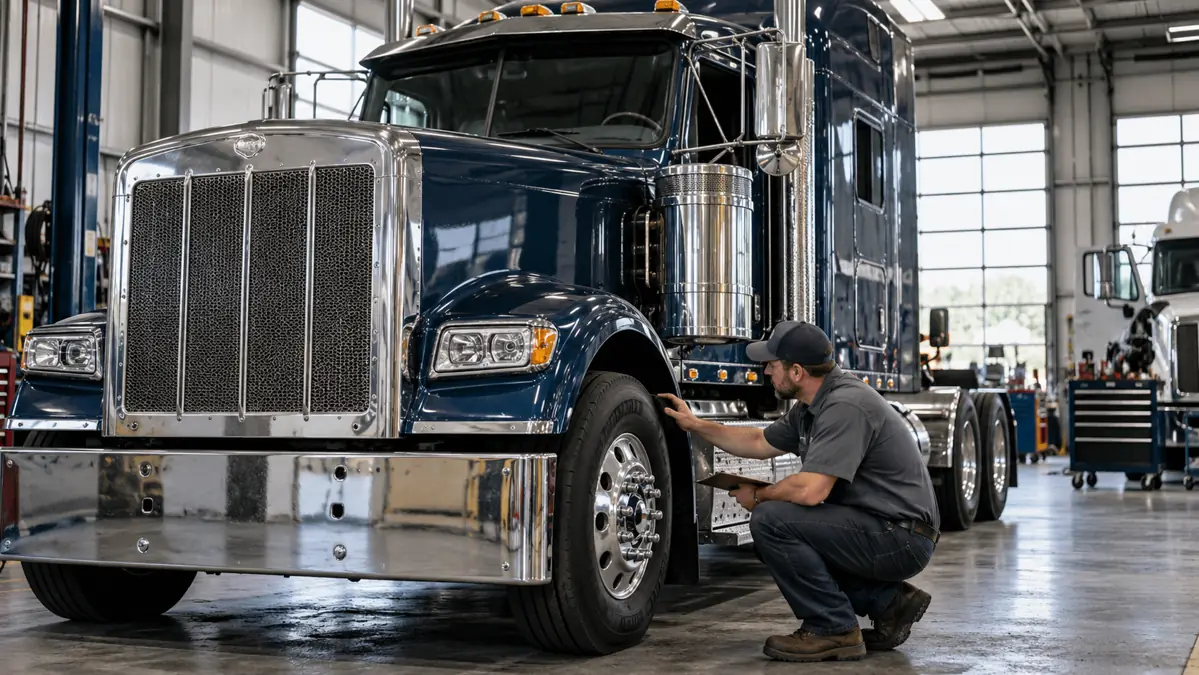
Ask what truck and trailer arrangement applies to the opening and which duties the driver performs at facilities. Confirm how equipment is assigned, where relevant instructions are provided, and which contact handles a question. A fleet photograph can illustrate the industry but cannot establish the equipment or tasks offered to a particular applicant.
If you have experience with a specific trailer category, describe it accurately and ask how it relates to the role. If a task is unfamiliar, state that instead of assuming it is excluded. The dry van jobs guide offers a more detailed question list about enclosed trailer work, facility responsibilities, load information, and document flow.
For a hypothetical driver, the route pattern may be attractive while a loading responsibility still needs explanation. Another may be comfortable with the duties but need clarification about equipment collection and personal storage. The checklist should capture those questions separately. Your comparison is stronger when it reviews the entire duty mix rather than assuming that a familiar truck image means the same working arrangement at every company.
Understand the communication and support structure
Ask who supplies assignment information, who handles routine questions, and how urgent matters are escalated. The answer should describe a practical contact structure for the role. It should not require you to guess which person is responsible when a schedule, facility detail, or equipment arrangement changes during an assignment.
Discuss where updated instructions are recorded. If a conversation changes the destination or appointment information, how does the driver find the current version afterward? Ask how important updates are acknowledged and which channel the company prefers. The name of a messaging tool matters less than a shared understanding of how it is used.
A hypothetical applicant might compare two companies with similar route patterns but different explanations of support. One answer may be clear about contacts while another needs a follow up from operations. Record the missing detail and ask for it rather than assuming the less detailed first call describes the entire process. The checklist's job is to make uncertainty visible and direct the next question to the appropriate company contact.
Examine how changes are handled
A role description should include more than a smooth assignment. Ask what happens when a pickup is canceled, a facility changes its timing, or an equipment issue alters the plan. Focus on who reviews the situation, how the driver receives the next instruction, and what information should be reported. Do not demand a promise that every interruption will be resolved in the same way.
Separate the revised operating plan from any compensation question related to the change. The contacts or documentation may differ. Ask how each question reaches the appropriate person and where the current explanation is found. This can reveal the company's process without requiring a recruiter to predict a specific customer event.
Consider a hypothetical driver who learns that the second stop in a cycle has been changed after the first delivery. The recruiting comparison concerns the update path and the effect on the communicated plan. It is not a forecast that such a change will happen or an instruction for handling it independently. A thoughtful checklist includes the process for uncertainty so that the role is evaluated under ordinary variation as well as a convenient example.
Learn the application process before sending records
Ask which application step comes next, where information should be submitted, and who can clarify a request. The initial inquiry can introduce your background without carrying every record a company may later need. Follow the verified process for the specific stage rather than sending sensitive materials through an unfamiliar channel.
If an instruction is unclear or arrives from an unexpected contact, use a published company contact to confirm it. Keep the instructions with your notes and distinguish information required now from information needed later. This helps you avoid duplicated submissions and conflicting versions of your own history.
The company driver application guide explains how to organize experience, dates, availability, and a focused first inquiry. A hypothetical applicant may use that preparation to answer follow up questions consistently while still waiting for the company's current application instructions. This hiring checklist does not determine eligibility or prescribe an employer's review process. It helps you understand the process being offered and keep your own information accurate as the conversation advances.
Keep company facts separate from marketing impressions
A website can communicate a company's style through photography, video, route graphics, and persuasive copy. Those elements may make the business easier to understand, but they do not establish every fact about a driver's role. Keep the current opening's details in a separate record from your overall impression of the site or advertisement.
Ask which statements apply to the particular opportunity. A nationwide route visualization describes service scope; it is not a live assignment board or proof that a position exists in every city. A photograph of equipment does not confirm a specific assigned truck. An invitation to contact recruiting does not itself define compensation or a start date.
A hypothetical driver might be impressed by a clear presentation and still need to resolve a reporting question. Another might find a simple advertisement that leads to a detailed, useful role explanation. The checklist allows both possibilities. It encourages you to use marketing as an introduction and current recruiting information as the basis for a decision. This is especially helpful when several companies make broadly similar statements but offer different practical arrangements.
Use a comparison table with confirmation status
Create a simple table for the openings you are considering. Use rows for company identity, current role status, reporting, assignment pattern, home time process, compensation method, equipment, duties, communication, and application steps. Add a column for whether each item is confirmed and another for the next question. The table can be a private note rather than a document sent to every recruiter.
Do not fill a blank item with an assumption. If an answer is illustrative, record it as an example. If a term is awaiting written clarification, mark it accordingly. This makes the table a record of actual knowledge instead of a polished ranking built on guesses.
For a hypothetical driver comparing three companies, one may have a clearer role status while another has a better explained reporting arrangement. The table shows where to follow up without declaring a winner too early. Your priorities can determine which rows matter most, but the confirmation status should remain visible. The strongest comparison is not the one with the most attractive words; it is the one that shows enough current information to support a practical next decision.
Work through a realistic hiring checklist example
Imagine a hypothetical applicant named Casey who lives in Arizona and has experience with longer trips. Casey is comparing two discussions about company driver work. Company A has identified an opening but has not yet explained the reporting arrangement. Company B has provided an assignment example but is still checking whether the role is currently available. No real company, pay rate, or vacancy is represented by this scenario.
Casey marks Company A's role status as confirmed for the conversation and its reporting item as unresolved. Company B's representative assignment is marked illustrative, with role availability still open. The next messages are short: Casey asks A about collection and reporting, and asks B whether there is a current opportunity to evaluate.
This approach produces useful progress without treating the two conversations as completed offers. Once the missing details arrive, Casey can ask about the calendar requirements, compensation explanation, equipment, and application process. You can use the same sequence with your own facts. The checklist helps prioritize what must be known next rather than encouraging a search based only on quick responses, attractive images, or an unverified job headline.
Recognize when the next step is still premature
A recruiting conversation can be promising while leaving a significant question unresolved. If you do not understand the reporting location, the current role status, or the next application instruction, ask before arranging a substantial commitment. The goal is clarity about the step you are considering, not complete certainty about every future assignment.
Review whether the information comes from the current contact and applies to the current opening. If a later instruction replaces an earlier example, mark the new version in your notes. Ask about conflicting details rather than selecting the version you prefer. A decision based on an old assumption can create avoidable confusion even when the conversation itself is legitimate.
A hypothetical applicant may be ready for a call but not ready to plan travel until a location is confirmed. Another may understand the location but need to know which materials belong to the next stage. Both can move forward by resolving the specific issue. This guide is a practical organizing tool, not an interpretation of employment terms. The company's current explanation should support the commitment you are actually making.
Follow up with the unresolved item that matters
A useful follow up connects directly to the previous conversation. Include your name, the role or subject discussed, and the specific question still open. If your availability or preference has changed, state that plainly. Avoid sending a new long message that makes recruiting reconstruct the entire exchange before finding the actual request.
If the company needs to check an item, ask how and when the next contact should occur. Keep the answer with your notes. A lack of immediate confirmation does not automatically establish a negative hiring outcome, and a friendly reply does not settle every term. The status remains what the company has actually explained.
For a hypothetical driver, the first follow up might resolve the equipment collection point and the second might request the written compensation explanation. These focused messages can be more useful than repeatedly asking whether the company is still hiring. Your search becomes easier to manage when each contact advances a specific part of the checklist. Stop repeating questions that have been answered clearly, and keep the remaining uncertainty visible until the relevant detail is provided.
Start a focused conversation with Lions Empire
When you contact Lions Empire, explain your home location, relevant driving experience, availability, and the kind of role you want to discuss. Add the requirements that would affect your decision and a few focused questions about a current opening. The driver inquiry form is the appropriate starting point for a recruiting introduction rather than a freight shipment request.
You can also use the contact page, call +1 (708) 722-1817, or email info@lionsempire.com to reach the team. Lions Empire serves freight needs nationwide, with its registered office in Palatine, Illinois. Current driver roles, requirements, reporting arrangements, equipment, schedules, and compensation should be confirmed directly. Nationwide service explains the business scope; it does not replace those role specific answers.
A hiring checklist helps you turn a broad search into a sequence of clear decisions. Identify the company, establish what is currently being discussed, understand the assignment, and follow the verified application process. Keep the information organized and let the confirmed details guide the next step. That gives both you and recruiting a better basis for deciding whether a particular opportunity is worth continuing to explore.
Frequently asked questions
Does a hiring page confirm a current role for my location?
Not by itself. Ask whether recruiting is discussing a current opening, future interest, or general company arrangements, then confirm the role details.
What should I compare before taking a next step?
Compare company identity, role status, reporting, assignment pattern, home time process, compensation explanation, equipment, duties, communication, and application instructions.
How should I handle an unanswered recruiter question?
Record it as unresolved and send a focused follow up through the identified company contact. Do not replace the missing answer with an assumption.
How do I contact Lions Empire about current driver work?
Use the driver inquiry form or contact page, call +1 (708) 722-1817, or email info@lionsempire.com with your location, experience, availability, and main questions.
Discuss your next driving role
Share your location, experience and priorities. Recruiting can explain current openings and the next step.
Contact Lions Empire · +1 (708) 722-1817 · info@lionsempire.com
Have a question for our team?
Discuss current driver opportunities or your next freight inquiry.
Contact Lions Empire