
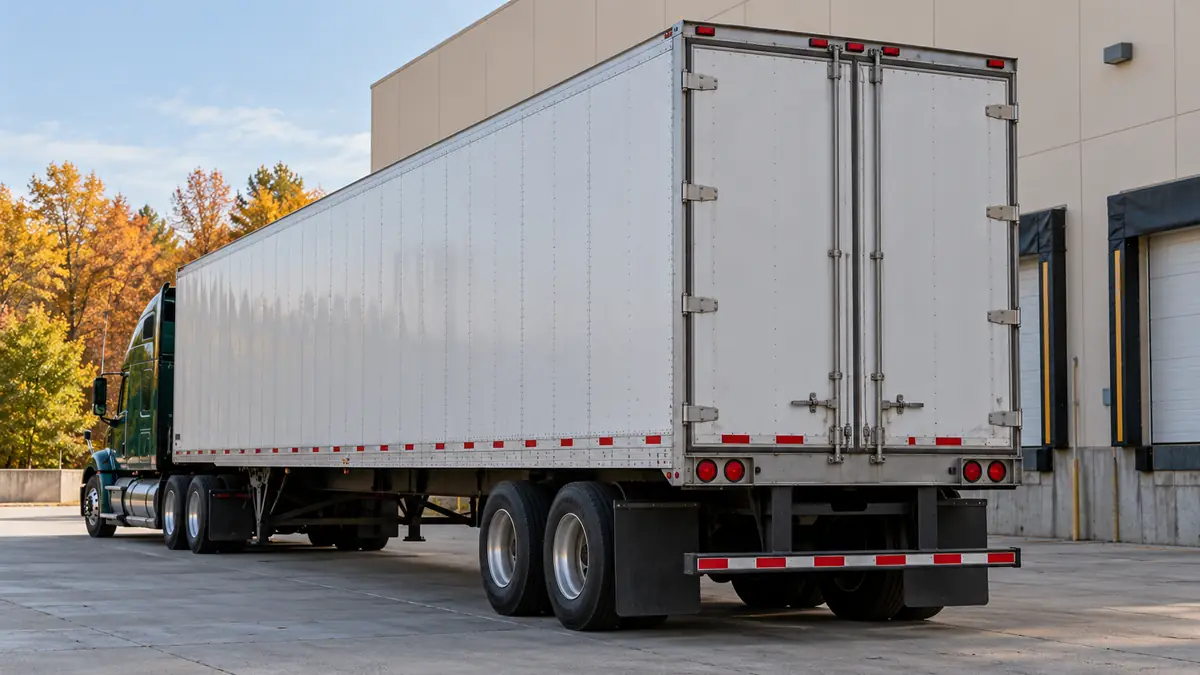
Understand what the dry van label explains
Dry van trucking jobs typically refer to work with enclosed freight trailers, but the label does not describe the full assignment. It does not tell you whether destinations repeat, how many stops a trip includes, what facility tasks apply, or how equipment is assigned. Treat it as the start of a conversation about the actual work rather than a complete role specification.
A job search can combine trailer descriptions with broad promises about routes and schedules. Separate those subjects when you ask questions. First establish what equipment and freight work the particular opening involves. Then discuss the reporting point, assignment pattern, compensation method, and return planning process. That sequence prevents one familiar term from carrying assumptions about several unrelated details.
Lions Empire serves freight needs nationwide. This guide does not confirm that a particular dry van position, trailer specification, or customer account is currently available. Recruiting can explain current openings and their requirements. Use the guide to prepare a precise driver inquiry so that your experience and questions can be considered against a real role instead of an imagined version of a job search headline.
Connect your trailer experience to the opening
Describe the trailer and assignment experience you actually have, using the terms that best explain your recent work. If you have worked with enclosed trailers, state what kinds of tasks and route patterns that involved. If your experience is different, say so and ask which background the proposed role requires. The purpose is accurate matching information rather than a claim that all equipment work is interchangeable.
A familiar trailer category does not mean every assignment uses the same configuration or process. Ask which equipment details are relevant to the opening and where the company provides instructions for its assigned equipment. The recruiting stage can establish the nature of the work, while actual operating procedures come from the appropriate company sources.
Consider a hypothetical driver with experience on longer trips who is now interested in more repeated facility visits. The driver can explain both the existing equipment background and the change in assignment pattern sought. Another applicant may need to clarify whether a specific task is part of the opening. Keeping experience and preference separate helps recruiting answer the right question without requiring either applicant to overstate familiarity.
Ask about the freight information supplied
Before comparing duties, ask how the driver receives the description of a load. Useful recruiting questions concern the information supplied with an assignment, the reference used to identify it, and the process for reporting a mismatch. You are not asking a recruiter to disclose a customer's private shipment records. You are asking how the company equips a driver to understand the proposed work.
Discuss which details are confirmed before arrival and which may be updated later. If the freight description changes, where does the driver find the current information? If paperwork at a facility does not match the assignment reference, who should be contacted? A clear process can matter as much as the headline description of the cargo.
A hypothetical load may be described as palletized freight in the initial assignment, while a later update supplies different quantities or facility instructions. The useful question is how the company communicates and confirms that change. Do not turn a recruiting example into instructions for handling a particular commodity. The actual load and equipment require their current operating information. Your comparison should focus on how that information reaches the driver and how uncertainty is resolved.
Clarify live loading and trailer exchange language
If a listing uses terms such as live loading or trailer exchange, ask what they mean for the specific opening. A term may describe a facility process without explaining the driver's full role in it. Ask how the assignment is organized, what information is provided before arrival, and whether the description is typical of the role or only an example.
Do not infer waiting time, departure timing, or compensation from a loading label. Those subjects require separate answers. Ask who supplies the facility instructions, how completion is communicated, and what the driver should do if the expected process is different on arrival. The aim is to understand company communication and responsibilities, not to provide a universal facility procedure.
For a hypothetical comparison, Opening A might involve a described trailer collection routine, while Opening B might involve waiting during a facility's loading process. A driver can compare the information supplied, the duty mix, and the applicable terms. Neither label automatically determines which role fits better. Ask recruiting to connect the terminology to a representative assignment, then note any question that operations needs to clarify before the opportunity can be evaluated accurately.
Examine the complete stop pattern
A dry van role can involve different stop patterns, so ask for an example that includes the whole sequence. Does the proposed assignment have one pickup and one delivery, several deliveries, or another arrangement? Which details are usually available at the beginning? Keep the answer tied to the current opening rather than treating it as a statement about every load the company handles.
Ask what responsibilities apply at each type of stop and how the driver receives the relevant instructions. A simple count of facilities cannot establish the work involved. Two visits may require more communication than a longer list of familiar locations, depending on the actual assignment. Compensation questions should use the duty pattern the company describes.
Imagine a hypothetical driver comparing an opening with changing single delivery trips and another with repeated multiple stop cycles. The driver might prefer either based on scheduling needs and working style. The useful comparison includes appointment visibility, documentation, communication, and the process after the final delivery. Do not assume that the trailer type makes these arrangements equivalent. A realistic stop example gives you a clearer picture of the role than a photograph of an enclosed trailer on a highway.
Discuss facility arrival information
Ask where a driver finds the current arrival information for each facility. Relevant questions concern the location description, arrival contact, load reference, and any instructions the company supplies. This information should come through the assignment process rather than be guessed from a general map image or an old note from another employer.
If the driver reaches a location and cannot match the provided reference to the facility's records, who helps resolve that issue? If the entrance or contact has changed, how is the new information communicated? A recruiter may direct these questions to operations. That is useful if it results in a clear account of how the company supports the driver at the stop.
For a hypothetical applicant, repeated customer locations may sound attractive because they offer familiarity. Ask how revised instructions are distributed even at familiar facilities. Another applicant might be comfortable with new destinations but want to know how arrival details are supplied. Both are reasonable comparison questions. The article does not replace current facility instructions; it helps you identify whether the proposed role provides a practical path to obtaining and clarifying them.
Confirm the loading and unloading responsibilities
Trailer type does not settle the driver's responsibilities at a facility. Ask whether the opening involves loading, unloading, or other freight related tasks, how those tasks are described in advance, and which terms apply. Do not assume that a phrase in another company's listing has the same meaning for the role you are discussing.
If a task is part of the opening, ask what information and company instructions are provided before it is performed. If your experience does not include the task, be clear about that. Recruiting can explain current requirements and whether the role is a potential match. A general website guide should not be used as a procedure for handling a specific load.
Consider a hypothetical driver who is comfortable with the route pattern but needs more detail about facility duties. That driver should ask directly rather than accepting a general description of straightforward freight. Another might have relevant experience and want to know how the duty is documented for compensation. The key is to describe the actual work and the associated process. You can then compare roles using more than the fact that both appear in a search for dry van trucking jobs.
Ask how load discrepancies are reported
A useful recruiting conversation includes the process for a discrepancy between the assignment and the information supplied at a stop. Ask whom the driver contacts, which reference identifies the load, and how an updated instruction is confirmed. This is a question about communication and documentation, not an invitation to make independent decisions about freight that has not been clarified.
Possible comparison scenarios include a quantity that differs from the initial message, a different delivery reference, or facility paperwork that does not match the assigned destination. Keep the examples hypothetical. The company should explain its process and the information it needs from the driver. The actual response depends on the real shipment and the instructions of the appropriate parties.
A hypothetical applicant might value a role where the contact path is clearly explained before the first assignment. Another might discover that a process needs clarification after a general recruiting call. Both can ask for a specific follow up. The quality of the answer lies in how the issue reaches the right person and how the current plan becomes clear. A vague assurance that freight is simple does not answer this practical question.
Explore how trailer condition questions are handled
Ask how a driver reports a concern about assigned equipment and how the company communicates the next step. Relevant recruiting topics include who receives the report, where the concern is recorded, and how the assignment is updated if the equipment arrangement changes. This guide does not diagnose a trailer or determine whether equipment is suitable for a shipment.
Ask how current equipment instructions are provided and which team handles questions before collection or use. If recruiting describes a general equipment arrangement, distinguish that from confirmation of the actual unit. Photos cannot establish the condition, dimensions, or features of the trailer that would be assigned to a particular trip.
For a hypothetical comparison, one driver might want a clearer explanation of who helps when a collection arrangement changes at a facility. Another might be interested in how the company keeps assignment information aligned with the equipment provided. These are process questions rather than claims about a fleet's quality. The company should explain the relevant support path for the role. Actual equipment decisions must follow the appropriate current instructions instead of assumptions drawn from a broad recruiting article.
Understand document flow at pickup and delivery
Ask how the role handles the documents associated with an assignment. Where does the driver receive the current references? How are completed documents submitted? Who answers a question when a facility supplies paperwork that differs from the expected information? Understanding the document flow can help you compare duties and communication without reviewing private customer records.
Clarify whether the company uses a particular channel or format for submission and how corrections are requested. Do not assume that sending a photo to any contact is the accepted process. Recruiting can explain where detailed instructions come from and whom the driver can ask if a step is unclear during a real assignment.
A hypothetical driver might find that two dry van openings involve similar routes but different documentation routines. One arrangement may fit the driver's working habits better after the process is explained. That preference should be based on the actual role rather than a general opinion about an app or a device. Clear document flow helps connect the work performed with the information operations needs. The specific shipment's documents and the company's instructions remain the source for the actual task.
Compare waiting questions with operational questions
Waiting affects an assignment in more than one way. Ask who communicates with a facility when the planned process is delayed, how the driver updates the team, and where the revised plan is recorded. Then ask separately how any related compensation item is defined for the opening and what documentation is needed. These subjects may involve different contacts.
Use a realistic hypothetical scenario instead of an isolated question about a perfect pickup. For example, a facility might not be ready at the expected arrival time and might later provide a revised estimate. Ask how the company organizes the response and how the driver knows which information is current. Do not presume a specific amount of waiting or a compensation outcome.
A driver comparing roles should note both the support process and the terms explained. An answer about one does not automatically settle the other. Lions Empire recruiting should confirm any current compensation details directly. The useful result of this discussion is a clear description of responsibilities, contacts, and required records for the proposed role. It is not a promise that a facility will operate on time or that every interruption produces the same result.
Connect appointment planning to the role
Ask what appointment information the driver normally receives and how changes are communicated. A route destination and a confirmed appointment are different kinds of information. The opening should be described with enough context to understand the sequence of stops and the way operations handles a revised plan.
Discuss how a driver raises a concern when the current sequence needs review. Who evaluates the issue? Where is the new instruction confirmed? A useful answer describes the company's communication path. This article does not prescribe trip timing or tell a driver to follow a schedule that has not been clarified through the appropriate process.
A hypothetical applicant might compare a role with a complete appointment sequence supplied earlier and one where later stops are confirmed during the trip. The difference could matter to a driver who prefers advance visibility. Another may be comfortable with changing information if the contact path is clear. Trailer type does not answer that preference. Ask about the actual planning process and keep the explanation with your notes about the opening's route pattern, facility duties, and return arrangement.
Match pay questions to the duty mix
Compensation questions should describe the same tasks and stop pattern as the opening. Ask how the company calculates compensation for the particular role and which items carry additional conditions. Include the facility duties and documentation described during recruiting. A dry van label alone does not establish how those components are treated.
You can use a hypothetical assignment with a pickup, a delivery, waiting, and a paperwork correction to understand the explanation. Ask what would be recorded and which documents would support each item. The exercise does not require an invented pay rate or an estimate of weekly earnings. Its value is in showing the calculation structure and the information that matters.
When comparing roles, keep conditional items next to their conditions. Ask when a written explanation is available and which contact handles later questions. Avoid using another driver's story as if it defined the terms of your own opening. Lions Empire's current requirements and compensation must be confirmed directly. This guide helps you ask about the complete duty mix without suggesting that the company offers an unverified rate, benefit, or guarantee.
Review the truck and personal arrangement together
The trailer category is only part of the equipment conversation. Ask how the truck is assigned, where it is collected, and how the company provides information about the configuration. If the role involves extended time away, ask about features that matter to your routine rather than inferring them from a photograph or a broad description of modern equipment.
Personal arrangements also need confirmation where relevant. If storage, personal equipment, passengers, or pets matter to you, ask about the current policy and approval process for the proposed role. Do not assume that a feature or permission follows from the fact that another driver had it elsewhere. Record whether the answer applies to the actual opening.
A hypothetical applicant might be comfortable with the freight duties but need more clarity about collecting the truck and bringing personal items. Another might find that the equipment arrangement fits while the trip length does not. These are separate questions worth comparing together. A clear role description explains the work and the practical arrangement around it. It should not require the driver to invent a fleet specification based on the trailer type in a search result.
Keep route geography and home time separate
Dry van work can be discussed alongside different route patterns. Ask whether the specific opening involves longer trips, regional cycles, recurring destinations, or another arrangement. Then ask how reporting and return planning are organized. Do not treat the trailer description as an answer about the time you would be away or the places you would visit.
Explain your home location and the calendar requirement you need recruiting to consider. Distinguish a firm requirement from a preference. If the role's route pattern is still being confirmed, leave that item open rather than filling it with an assumption based on the company's office address. Lions Empire's freight service is nationwide, and the actual driver arrangement needs its own explanation.
Consider a hypothetical driver in Oklahoma who has enclosed trailer experience and wants a clearer assignment cycle. The driver can ask how a current opening would start, what a representative trip looks like, and how the next return is discussed. That inquiry does not claim an Oklahoma based job exists. It gives recruiting the right context to describe a real opportunity and explain whether it could fit the applicant's location and preferences.
Work through a complete dry van comparison example
Imagine a hypothetical driver comparing Opening A and Opening B. Both are described using dry van language. Opening A has a clearer reporting point but facility duties that need clarification. Opening B has a described stop pattern but an unresolved equipment collection arrangement. Neither example assumes a pay rate, customer account, or current vacancy at Lions Empire.
The driver makes a comparison page with rows for equipment, reporting, route pattern, facility responsibilities, assignment information, documents, communication, compensation method, and return process. Each row includes the answer and its confirmation status. This shows that the apparent similarity of trailer type leaves several meaningful differences to examine.
Next, the driver asks Opening A about the actual facility tasks and Opening B about collecting equipment. One role may fit after the answers arrive, or both may remain unsuitable. The example's purpose is to show how a driver can make progress without guessing. A good comparison is allowed to end with more questions. It is better to identify an unresolved condition before the next step than to accept a broad label as a complete description of the work.
Prepare questions for the right company contact
Some recruiting questions can be answered during the first call, while others may require an operations explanation. Ask the recruiter who handles detailed questions about facility duties, equipment collection, document flow, and assignment communication. A referral is useful when it identifies the appropriate contact and the next step rather than leaving you to search for an answer independently.
Keep the follow up focused. Refer to the role discussed, briefly state the background question, and ask for the specific clarification. For example, you might ask where revised facility instructions are provided or how a discrepancy is reported. Avoid sending a large repeated list that does not show which items are still unresolved.
A hypothetical applicant could finish recruiting with a clear route description but need an operations explanation of the trailer collection routine. Another could understand the equipment but need a written compensation explanation. Both should keep those items separate and use the contact path supplied. Current instructions and role terms come from the company. This guide provides a structure for the conversation, helping you collect information that is concrete enough to support a decision.
The company driver application guide can help you organize the experience and availability details that accompany this follow up.
Begin a focused driver inquiry about current work
When you contact Lions Empire about dry van trucking jobs, introduce your relevant equipment experience, home location, availability, and preferred assignment pattern. Ask whether a current opening matches that background and which details recruiting can confirm. If a specific facility task or equipment feature matters to you, include it among the first questions rather than assuming it applies.
Use the driver inquiry form for the recruiting introduction. The contact page, +1 (708) 722-1817, and info@lionsempire.com provide additional ways to reach the team. The freight inquiry form is intended for customers discussing shipments. Lions Empire serves freight needs nationwide; current driver roles, requirements, equipment, schedules, and compensation should be confirmed directly.
A precise inquiry can begin a useful conversation even when the answer is that a particular opening is not currently available. You gain a clearer understanding of what the company is discussing and what information is needed next. Keep the answers with your comparison notes. The decision should follow a real role's confirmed details, supported by the practical questions you have prepared, rather than the assumptions attached to a familiar trailer label.
Frequently asked questions
Does a dry van label describe the entire driver role?
No. Ask about the actual equipment, route pattern, stop sequence, facility duties, document process, reporting arrangement, and compensation terms.
Does this guide confirm a current Lions Empire dry van opening?
No. The guide prepares questions for recruiting. Current openings and equipment arrangements must be confirmed directly with the company.
What should I ask about loading responsibilities?
Ask which duties apply to the specific opening, how they are described before arrival, what company instructions are provided, and which terms apply.
How can I introduce my dry van experience to Lions Empire?
Use the driver inquiry form with your actual equipment experience, home location, availability, preferred route pattern, and a few focused questions about current work.
Discuss your next driving role
Share your location, experience and priorities. Recruiting can explain current openings and the next step.
Contact Lions Empire · +1 (708) 722-1817 · info@lionsempire.com
Have a question for our team?
Discuss current driver opportunities or your next freight inquiry.
Contact Lions Empire