

Begin with the role you want to discuss
An application for company truck driver jobs is more useful when it starts with a clear idea of the work you want to explore. The first message does not need to prove that you fit every possible position. It needs to help recruiting understand your background, location, availability, and the questions that would shape a decision about a real opening.
Company driver is a role description that still needs detail. Ask what the company means in the specific opportunity, how the work is arranged, and which terms will be provided for review. Do not infer the arrangement from a truck photograph, a general service page, or an article title. The actual recruiting conversation should establish the role being considered.
Lions Empire handles freight needs across the United States. That nationwide scope gives context to the business, while current driver openings and their requirements need direct confirmation. Your home location can help recruiting discuss reporting arrangements without limiting the company's freight area. Start by presenting your situation accurately, then move toward the details of an available position instead of treating an inquiry as an automatic offer.
Make a short application planning page
Before entering information into a form, make a private planning page for yourself. List the contact details you want recruiting to use, your relevant experience, your available start period, the route pattern you are interested in, and any question that must be resolved before you proceed. This page is a preparation tool, not an extra document that every company needs to receive.
Keeping these details together reduces avoidable inconsistency. You can check the spelling of employer names, the order of dates, and whether the phone number is current before sending a message. It also prevents an application from becoming a collection of assumptions added while you are trying to finish a form quickly.
A hypothetical driver might discover that a recent job end date is remembered differently from the date in their own records. Correcting that difference before submission is more useful than trying to explain two versions later. Another might notice that a preferred reporting arrangement has never been stated clearly. The planning page helps turn these gaps into specific questions, while the company's application process determines what information must eventually be supplied.
Choose contact details that support a real conversation
Use a phone number and email address you actually monitor. Check them for typing mistakes before submitting the first inquiry. If there is a preferred time or method for a response, include that briefly. A recruiter cannot infer when you are available to speak from your home city or from the fact that you are seeking driving work.
Make your voicemail and email name recognizable enough that a company can connect a reply with the inquiry. If you use a different name in some records, explain the relevant distinction during the appropriate application stage. The purpose is to make the exchange easier to follow, not to create an elaborate personal profile.
For a hypothetical driver who is still working a changing schedule, a short note might say that email is the best first contact and that a call can be arranged afterward. Another may prefer a phone call during a stated window. These preferences help organize the conversation but do not guarantee a response at an exact time. Keep contact information consistent across messages so that a follow up reaches the same applicant rather than creating confusion about who is writing.
Explain your location without assuming the reporting point
Your home location is useful recruiting information because it affects the conversation about collecting equipment, reporting, and returning from an assignment. Provide the city and state needed for an initial discussion. Ask the company which location applies to the particular opening instead of treating its registered office as the place every driver must report.
Lions Empire's registered office is in Palatine, Illinois, while its freight service extends nationwide. Those facts answer different questions. The office identifies the business, and the service scope describes the customer conversation. Recruiting should explain the reporting arrangement for the actual role and how it relates to your home area.
Consider a hypothetical applicant living in Georgia. The applicant can ask about company truck driver jobs without assuming that a Georgia based role exists or that every assignment starts at the Illinois office. A useful inquiry states the home location and asks how the proposed opening would be organized. If travel or equipment collection is involved, the applicant can then ask who confirms the details. This sequence replaces a geographic assumption with information tied to a specific opportunity.
Build an experience summary around actual work
Describe the equipment and route patterns you have actually worked with. Include enough detail to show the relevance of your experience without turning the first message into a complete career narrative. For example, distinguish longer trips from work involving repeated local facilities if that difference helps explain your background. Keep dates and descriptions consistent with your own records.
Use concrete descriptions rather than promotional claims about yourself. A statement that you have handled a particular type of equipment is easier to discuss than a claim that you can do anything. If a task is unfamiliar, say so and ask what experience the current opening requires. Honesty about a gap gives recruiting a clear question to resolve.
A hypothetical driver changing from regional work to a different assignment pattern can present the experience already gained and the work now being sought as separate items. The desired role should not be listed as past experience. The same approach applies to a driver returning after time away: explain the background accurately, then ask how the company's current requirements relate to it. The initial inquiry should invite a factual conversation rather than overstate a match.
Organize dates before the detailed application stage
A work history is easier to follow when its dates are organized before you begin a detailed application. Review your own records and make a consistent chronology for the periods relevant to the company's process. Do not guess at exact details when you have information available to check. If a date remains uncertain, ask how recruiting wants that uncertainty addressed.
A concise initial inquiry may not need the complete chronology, but preparation helps when the company explains its next step. Keep the names you use for employers consistent and distinguish a workplace name from another name that appeared in your records if relevant. This avoids making a recruiter reconstruct your history from disconnected descriptions.
Imagine a hypothetical applicant who worked for one business under a name later changed in their own paperwork. A short factual explanation during the appropriate stage can be clearer than listing what appears to be two unrelated employers. Another applicant may have periods away from driving and need to describe their sequence. Your goal is an accurate record that the company can review through its chosen process, not a story designed to conceal information or force a favorable interpretation.
State availability as a planning fact
Availability should describe when you could realistically take a next step. Separate a time for a recruiting call from a potential start date and from any travel or appointment you might need to arrange. These are different commitments. A driver who can speak today may not be ready to begin a role immediately.
If your start timing depends on another event, explain that briefly without claiming a date you cannot support. Ask when the company expects to discuss timing for a current opening. This gives both sides a clearer planning basis than saying available soon while leaving the meaning open. Recruiting can then explain whether the proposed role has a timeline that fits.
For a hypothetical applicant finishing an existing commitment, the first inquiry might identify a date range and ask whether an opening could be considered around it. Another driver might be ready sooner but need confirmation of the collection arrangement before planning travel. Neither situation requires an invented promise of immediate work. State what you know, identify what depends on the company's answer, and revise the plan only when the relevant detail is confirmed.
Separate essential requirements from preferences
A strong inquiry explains which terms would determine your ability to take the role and which ones are preferences. You might need a particular reporting arrangement while being flexible about destinations. You might be comfortable with varied route patterns but need a specific calendar commitment considered. Treating every preference as essential can obscure the actual matching question.
Write the essential requirements in plain language. Avoid broad phrases such as excellent home time or great equipment without describing what they mean for your situation. Ask whether the current opening can accommodate the requirement and what details still need confirmation. Record the answer accurately rather than turning a positive conversation into a settled agreement.
A hypothetical applicant may prefer repeated destinations but be willing to consider changing routes if the reporting process fits. Another may accept longer trips but need a clearer return planning process. Those profiles can lead to different conversations about company truck driver jobs. Your first message can identify the most important two or three points, then leave room for recruiting to explain the available role. The aim is useful matching information, not an inflexible checklist copied from unrelated listings.
Use the first inquiry for an introduction
An inquiry form is a practical way to introduce yourself and ask about current opportunities. It is not a reason to send every sensitive record you possess. Include the information needed for an initial discussion and ask which secure process the company uses when additional application materials are required. Follow the current instructions for the specific stage.
For Lions Empire, the driver inquiry form is the relevant starting point for a driver introduction. The freight inquiry form serves a different purpose: it collects information about a customer's shipment. Choosing the driver route helps keep your message focused on experience, location, availability, and the role you want to discuss.
A useful opening message might contain one paragraph about your background and another about the arrangement you are seeking. Add a preferred contact method and a small number of focused questions. This makes the conversation easier to continue than a message filled with pasted job search phrases. The company can then confirm whether there is a relevant opening and explain what is needed next. An initial submission should be understood as a request for a conversation, not confirmation of hiring or acceptance.
Ask how the application process is organized
Once recruiting identifies a relevant opening, ask what the application process involves and where information should be submitted. You want to know which step comes next, who handles questions, and how the company communicates an update. Do not assume that every employer uses the same sequence or that a process mentioned in an old article remains current.
Ask what information is required now and what belongs to a later stage. If a request is unclear, seek clarification before sending materials. Keep the company's instructions with your own notes so that you can distinguish a required action from an optional conversation. This also helps you avoid submitting the same information repeatedly through unrelated channels.
For a hypothetical applicant, recruiting might first need a short discussion about experience and reporting requirements before explaining a more detailed application step. Another role might use a different sequence. This guide does not prescribe a company's eligibility review or promise a particular outcome. It gives you a way to understand the process being presented. A clear explanation of the next step is a useful result even before every term of the opportunity has been discussed.
Verify who is receiving your information
Before sending additional materials, make sure you understand which company and contact you are dealing with. Use the business's published contact page to clarify a confusing request. A recognizable logo or a message that mentions trucking is not by itself an explanation of where your information will go. Ask the company how its application channels are identified.
Keep the initial exchange focused on information appropriate to that stage. If a person requests records through an unfamiliar route, ask for clarification through a known company contact. You do not need to argue about the request; you need a clear explanation of the process. Avoid copying sensitive information into public comments or a general message thread.
Lions Empire lists +1 (708) 722-1817 and info@lionsempire.com as contact routes. Its registered business identifiers are USDOT 3354913 and MC 1073649. These help identify the company in a conversation, but a number in a message is not a substitute for confirming the actual recipient and application process. Use published contact information to resolve uncertainty, then follow the company's current secure instructions for the materials it requires.
Prepare for the first recruiting conversation
Before a call, choose the questions that would change your next decision. These might concern the reporting point, representative route pattern, compensation explanation, or the process for planning returns. Keep your experience summary nearby so that dates and equipment descriptions remain consistent. Preparation should make the conversation clearer, not turn it into a rigid interrogation.
Listen for the distinction between a current opening and a general example. If the recruiter describes how a role could work, ask which parts are confirmed for the actual opportunity. Note any item that requires an answer from another team member. You can then make a focused follow up instead of treating a missing detail as either a rejection or a promise.
A hypothetical applicant might finish the first call with a clear role description and two unresolved equipment questions. That can be productive progress. Another might learn that the available pattern does not fit a firm requirement and decide to ask about future possibilities instead. The first conversation should help both sides understand fit. It does not need to create immediate agreement, and a useful answer may be that more specific information is needed before proceeding.
Review compensation information in context
When compensation is discussed, ask how the particular opening calculates it and which conditions apply to the different components. Keep this explanation connected to the duty pattern and assignment example you have received. A general company driver label does not establish a wage rate, a weekly income, or a benefit package.
Ask when a written explanation is available and which contact handles questions about it. If a term depends on a particular activity or documentation, record that condition alongside the term. Do not compare an unconditional number from one conversation with a conditional item from another as though they described the same arrangement.
For a hypothetical applicant comparing two roles, the useful exercise is to ask how the same representative assignment would appear in each compensation explanation. The assignment could include a pickup, deliveries, and waiting, without inventing an earnings figure. This reveals the calculation structure and the questions still open. Lions Empire recruiting should confirm current terms directly. A prepared application helps you ask precise questions, but it should not contain assumptions about pay or benefits that the company has not provided for the role.
Clarify equipment and responsibility details
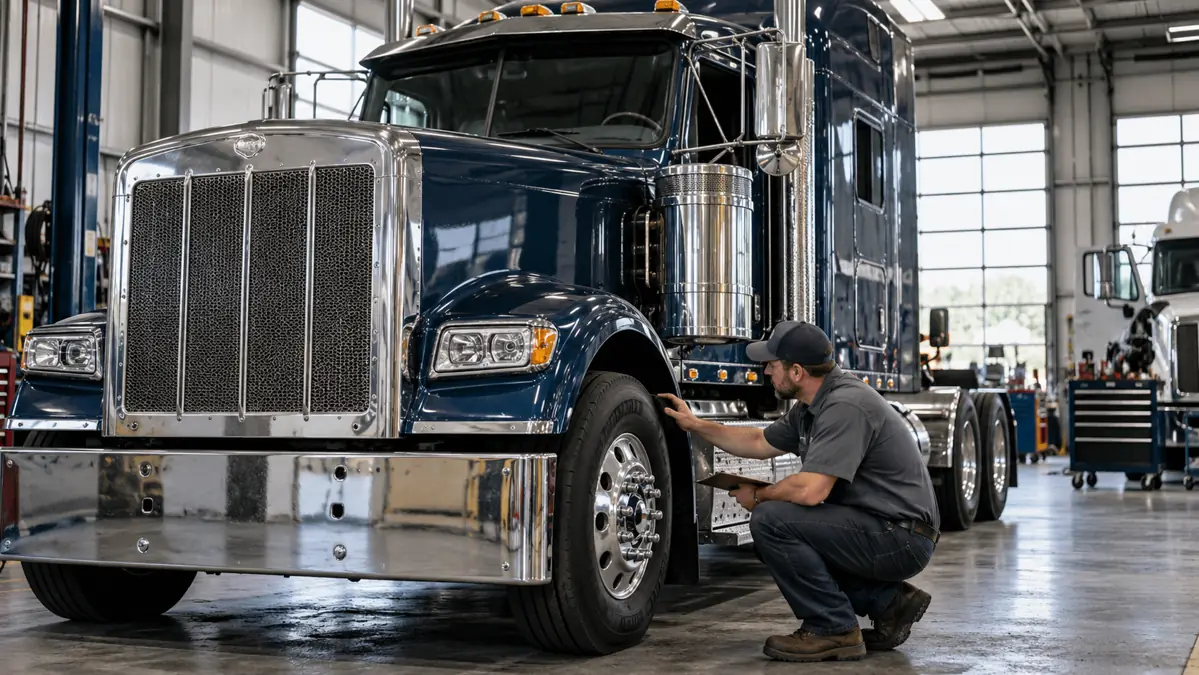
An application conversation should move beyond a general image of a company truck. Ask what equipment arrangement is relevant to the opening, how collection is organized, and which duties the role includes at facilities. If a particular feature or task affects your ability to consider the job, raise it directly rather than hoping a photograph answers the question.
Discuss where the driver finds operating instructions and whom to contact when an assignment detail is unclear. The recruiting stage can explain the process, while actual equipment and cargo tasks require the appropriate company instructions. Do not treat a broad website guide as a substitute for those instructions or as proof that a particular vehicle will be assigned.
A hypothetical applicant might have experience with one configuration and want to know whether that experience matches the current role. Another might need clarification about how personal items are handled when collecting equipment. These questions can be included in a focused follow up after the opening has been identified. Keeping them specific lets the company provide a useful answer without requiring the applicant to claim familiarity with tasks or arrangements that have not yet been confirmed.
The dry van jobs guide develops these questions further when enclosed trailer work is relevant to the actual opening.
Work through a sample application introduction
Consider a hypothetical driver named Jordan who lives in Missouri and has recent experience with longer trips. Jordan is interested in company truck driver jobs involving nationwide freight and has a potential start period after an existing commitment. No current vacancy, wage, or schedule is assumed in this example. The purpose is to illustrate how a short introduction can be organized.
Jordan's message first identifies the home city and the relevant experience. It then explains the assignment pattern sought and the available start period. The final lines ask about the reporting arrangement and how recruiting discusses the expected trip cycle. Jordan does not attach sensitive records to the first message or claim that a nationwide service page guarantees a Missouri based role.
This introduction gives recruiting several clear ways to respond: confirm a relevant opportunity, ask a background question, explain a different available arrangement, or outline the application process. You can use the same structure with your own facts without copying the fictional profile. A useful inquiry sounds like an accurate introduction from a real person, not a polished claim designed to fit every possible job description.
Keep follow ups short and connected
A follow up should make it easy for the recipient to connect the new message with the original conversation. Include your name, the opening or subject discussed, and the specific item you are clarifying. If your availability has changed, state the change plainly. Avoid sending several unrelated messages that each contain a different version of your situation.
If you have not received an answer, use the contact method the company identified and ask about the next step. Do not infer a hiring decision from silence alone. A missing response could leave the application status unknown. Likewise, do not treat a friendly reply as confirmation that all role terms have been settled.
A hypothetical applicant who was told that equipment details needed checking might follow up with that single question and refer to the earlier call. Another might need to correct a phone number in the original inquiry. In both cases, the short message resolves a clear issue. Keep a dated note of what was sent and what came back. This helps you track the actual process without creating a burden for the company or relying on memory across several recruiting conversations.
Review the proposed next step before committing
Before arranging travel, an appointment, or another significant step, review the current information about the role and the process. Check the location, timing, contact, required materials, and the terms already discussed. If any instruction conflicts with an earlier message, ask which version applies. Preparation gives you a better basis for making the next decision.
Separate a discussion invitation from a completed agreement. A request to talk, submit information, or attend a stage does not by itself answer every question about hiring. Ask how the company communicates the outcome and where any role details will be provided. Keep unresolved terms visible instead of assuming they will work out later.
For a hypothetical driver, an invitation may fit the schedule but still require clarification of the reporting point. Another may understand the location but need to know which materials to bring. Both can ask focused questions before proceeding. This article does not determine eligibility or interpret a contract. It helps you organize practical information so that your decision follows the company's current explanation of the real opportunity rather than the general wording of a search result.
Start an accurate company driver inquiry
When you are ready, use the driver inquiry form to explain your location, relevant experience, availability, and the kind of work you want to discuss with Lions Empire. Include a preferred way to contact you and the questions that matter most. The contact page, +1 (708) 722-1817, and info@lionsempire.com provide additional ways to ask about the recruiting conversation.
Lions Empire's freight service is nationwide. Its registered Palatine office identifies the business and should not be mistaken for a restriction on where customers can discuss shipments. For driver recruiting, the actual role, reporting arrangement, requirements, equipment, schedule, and compensation need direct confirmation. Keep those distinctions clear in your inquiry and in the notes you use to compare opportunities.
A thoughtful application begins with accurate information and progresses through clear next steps. You do not have to guess what every job label means or submit an oversized personal history in the first message. Explain your situation, ask about a current opening, and follow the verified application process. That approach gives both you and recruiting a practical basis for deciding whether to continue the conversation.
Frequently asked questions
Is the driver inquiry form a complete application or job offer?
It starts a recruiting conversation. The company should explain any further application steps and confirm current openings, requirements, and role terms.
What belongs in a first company driver inquiry?
Include your home location, relevant driving experience, availability, preferred contact method, the work sought, and a few questions that affect your decision.
Should I send sensitive documents in my first message?
Ask which secure application process the company uses for required records. The first inquiry can introduce your background without including sensitive documents.
Does the Palatine office mean every driver reports there?
The registered office identifies the company. Recruiting should confirm the actual reporting and equipment collection arrangement for the opening under discussion.
Discuss your next driving role
Share your location, experience and priorities. Recruiting can explain current openings and the next step.
Contact Lions Empire · +1 (708) 722-1817 · info@lionsempire.com
Have a question for our team?
Discuss current driver opportunities or your next freight inquiry.
Contact Lions Empire