
Connect equipment questions to the job
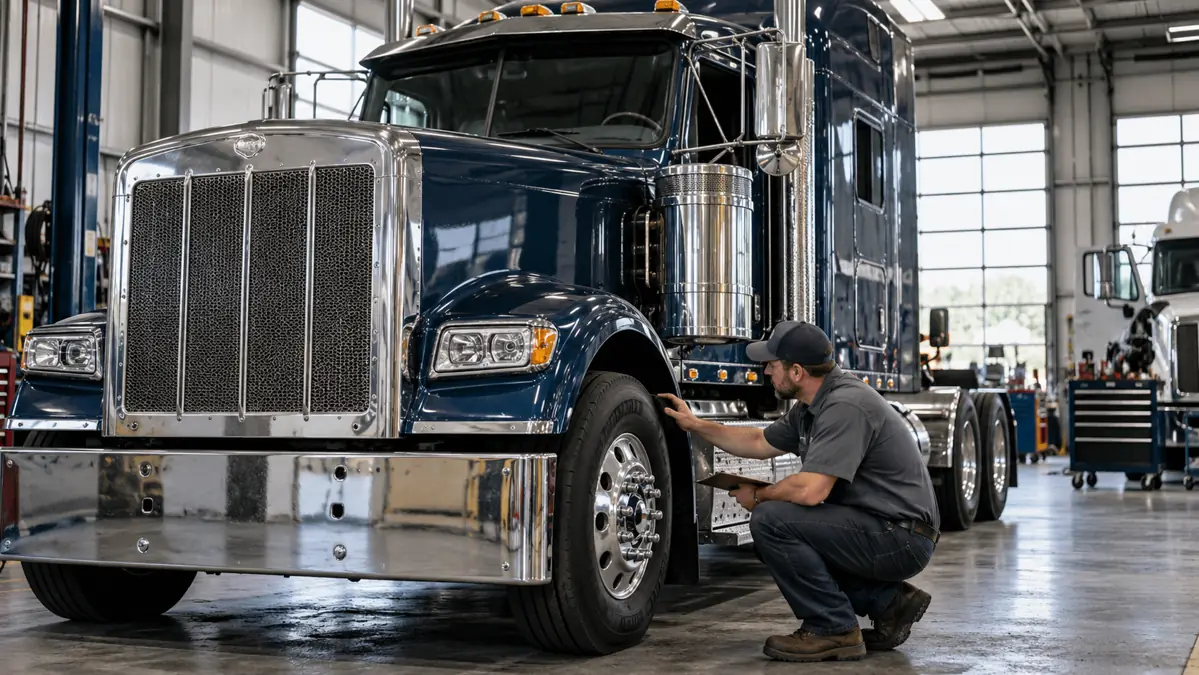
A truck photo can draw attention to a job, but it does not tell you which equipment will be assigned to an opening. Start with the route and responsibilities you are discussing. Ask recruiting what equipment is currently available for that role and which details can be confirmed before the next application step. Describe relevant equipment experience accurately. This gives the conversation a useful starting point without assuming that a website image shows the company’s actual available fleet.
Clarify the assignment process
Ask when a driver learns the assigned truck, whether an assignment is normally ongoing or can change, and who explains the handover process. Discuss where the truck is collected and parked. If equipment changes during the role, ask how the driver is told and what happens to personal items. These are practical arrangements to compare, especially if you are considering a longer trip pattern. Write down what has been confirmed and what still needs an answer.
Discuss cab needs without assumptions
Explain the cab features that matter to your working arrangement and ask whether they are available in the relevant equipment. Depending on the role, questions may concern storage, sleeper arrangements, connectivity or permitted personal equipment. Ask about the company’s actual rules before planning purchases or bringing items to orientation. A feature shown in an illustrative photo is not an equipment specification. Recruiting should confirm the details of the truck and role under discussion.
Ask how maintenance concerns are handled
Find out who receives a reported concern, which communication channel is used and how a driver gets an update. Ask about the process for a problem discovered before a trip and for one that arises on the road. This guide does not replace training, inspection procedures or applicable safety requirements. The recruiting conversation should help you understand the company’s reporting process and the next person to contact when a concern needs attention.
Match freight requirements with your experience
Ask what freight and equipment responsibilities belong to the opening. Discuss the relevant driving experience you have and which endorsements or other qualifications the company needs to confirm. Do not infer a requirement solely from a job title or assume that an endorsement alone establishes eligibility. The actual assignment and hiring process matter. If you need general information about CDL licence classes or endorsements, use the current FMCSA information and your state licensing agency.
Finish with a useful recruiting note
Summarise the route, equipment assignment, reporting location, cab questions and maintenance communication process. Bring any unanswered points into the next call instead of filling the gaps with assumptions. Lions Empire’s website uses illustrative road and equipment imagery; ask recruiting about trucks available for current roles. The driver inquiry form is a place to share your experience and priorities. Keep licence scans and other sensitive documents out of that first inquiry and ask for the appropriate application process.
Connect equipment questions to the work you want
An equipment conversation is most useful when it begins with the role. Tell recruiting what kinds of vehicles and trailers you have worked with and which aspects of the next assignment matter to you. Then ask what equipment is associated with the current opening. A driver researching dry van trucking jobs may have different questions from someone evaluating another operation. The phrase in a search result provides a starting point, while the recruiter should explain the equipment and duties for the actual role being discussed.
Separate experience from preference. You can be familiar with one arrangement and interested in discussing another, but those are different facts. Explain both accurately so the team can identify the relevant questions. If a feature is essential to your decision, raise it early rather than waiting until a later stage. Avoid treating an image, a vehicle model mentioned elsewhere or another driver's experience as confirmation that the same arrangement will be assigned to you.
Keep a short equipment section in your opportunity notes. Record the role, the tractor and trailer information provided, the assignment process and points still awaiting confirmation. If recruiting changes the opening being discussed, revisit that section. An equipment answer should remain attached to the role for which it was given. This makes it easier to compare company truck driver jobs without combining details from several advertisements into a single opportunity that no employer has actually described.
Understand what a website image can and cannot confirm
Trucking websites often use a combination of company photographs, licensed stock media and illustrative imagery. These formats can show the subject and visual character of a site, but only a confirmed statement from the company identifies the equipment associated with a particular opening. Look for captions and ask directly when the equipment matters. A modern truck shown in a hero image does not by itself establish a fleet age, an assigned make or a promise that a particular feature is available.
This website labels generated illustrations and licensed stock media so that they are not mistaken for photographs of Lions Empire's actual drivers or fleet. The images support the guides and service pages; they do not replace a recruiting explanation. If you want to discuss current trucks, use the driver inquiry and identify the role you are considering. Ask the team what can be confirmed now and what will be confirmed during the next stage of the application or onboarding process.
An illustrative applicant may be interested in the cab arrangement shown on a website. A useful question is whether the current opening uses a comparable setup and how the assigned equipment is confirmed. An unhelpful assumption is that every visual on the site describes the same fleet or an available unit. Keeping the distinction clear avoids disappointment and makes the recruiting conversation more precise. The decision should rely on the current role information, with imagery used as context rather than evidence of an equipment commitment.
Ask about tractor assignment and changes
Find out how equipment is assigned to the opening. Ask whether the team can identify the arrangement before onboarding and which details are confirmed later. If an answer is provisional, record it as provisional. You do not need a promise about a specific unit to understand the process, but you should know who confirms the assignment and how changes are communicated. A clear explanation is more useful than assuming that an advertised model will remain attached to every driver role.
Discuss what happens if an assignment changes. Who explains the replacement arrangement? Which person should answer a question about a feature or setup? How does the driver obtain the information needed for the actual equipment? These are communication questions, not instructions for operating or inspecting a truck. Follow the relevant company procedures, vehicle information and applicable requirements for the assigned unit. A website guide cannot assess an individual vehicle or tell a driver that it is suitable to operate.
Keep role-specific answers together. If you are comparing several employers, use the same fields: assignment process, information provided before arrival, contact for questions and procedure for changes. Do not rank a company solely by a vehicle photograph. Consider whether the equipment explanation fits the driving work and whether the team has answered the practical questions you raised. Lions Empire recruiting can discuss the current equipment associated with available opportunities; this article provides a framework for preparing that discussion without making a fleet claim.
Clarify trailer type and loading responsibilities
Trailer information belongs beside the description of the work. Ask what kind of trailer or arrangement is associated with the role and how assignments are communicated. If you are researching dry van trucking jobs, confirm that the opening being discussed actually fits that description. A company may discuss several kinds of work, and a general statement elsewhere on the website should not be carried into the current role without clarification.
Ask how pickup and delivery responsibilities are explained during onboarding. The term no touch freight may appear in an advertisement or search, but it should prompt a question about the duties of the specific opening. Do not assume it answers every question about facility check-in, paperwork or other tasks. Ask the recruiter to describe what the driver is expected to do and which instructions come from operations or the facility. This is a request for role information, not an instruction to perform loading or handling work.
Record any point the recruiter needs to confirm. If the trailer type or duty pattern changes with the assignment, ask how the driver receives that information. If a particular responsibility is essential to your decision, state that before continuing. The driver jobs guide explains how to put these questions into an initial inquiry. A careful equipment conversation combines the trailer, the duties and the communication process, helping you evaluate the whole role rather than reading a search phrase as a complete description of daily work.
Bring cab and living-space preferences into the conversation
If the role involves time away from home, the cab arrangement may be part of your practical comparison. Ask which features the team can describe for the current opening and how the assigned unit is confirmed. Explain a preference in concrete terms without treating it as an entitlement or a feature already offered. The recruiter can then identify whether the question is relevant to the role and which details need another person's confirmation.
Keep comfort preferences separate from technical or safety judgments. A feature that matters to your personal experience does not establish whether a vehicle is compliant or appropriate for a particular operation. Those questions belong to the applicable requirements and professional procedures. Likewise, a general article cannot evaluate the condition of equipment you have not inspected through the proper process. Use the recruiting discussion to understand the arrangement and the official channel for equipment information, not to obtain informal assurance about an unknown vehicle.
Consider a fictional applicant who wants to understand the cab setup before accepting an invitation to the next stage. The applicant can ask what is currently known, what may change and when the final assignment will be explained. That gives a useful planning sequence even if no individual unit is identified yet. If the answer remains important to the decision, keep it on the follow-up list. This approach respects the difference between a preference, a description of the role and a confirmed equipment assignment.
Ask how equipment concerns are communicated
An equipment concern needs a clear reporting channel. During recruiting, ask who explains that channel and when the driver receives the company's procedures. Find out which contact handles an equipment question and how a concern is documented. You are not asking the recruiter for a shortcut around the proper process. You are asking how the process is introduced so that the driver knows where to obtain the relevant instructions once the role begins.
Ask for clarification if the answer is simply to call someone. Which team is responsible? Is there another contact outside the initial conversation? How does the driver know the issue has been received and what happens next? The details may be explained during onboarding rather than the first call. That is useful to know, provided the next step is clear. Do not infer a repair time, availability guarantee or operating permission from a general statement that support is available.
Compare the communication process alongside the equipment description. A vehicle model tells you one thing; knowing where to raise a question tells you another. Both can matter to your understanding of a company truck driver job. Keep notes about the official process and follow the applicable procedures for the actual equipment. This guide deliberately does not provide mechanical diagnosis, inspection instructions or advice to continue operating a vehicle with a concern. Its purpose is to help you identify the questions a recruiting and onboarding conversation should answer.
Link equipment to reporting and home time
Equipment arrangements can affect where a role starts and ends. Ask where the assigned truck is collected, where it is returned and how that relates to the reporting location discussed with recruiting. If home time is an essential part of your decision, confirm the relationship between the trip cycle and the equipment process. A job advertised in a particular city does not automatically mean that every equipment collection or return occurs at the registered address.
Discuss what happens when a role or assignment changes. If another unit or reporting point is involved, ask who confirms the instructions. Keep personal travel plans separate from the company's driving arrangement until the relevant details are clear. A useful answer tells you which location applies and where to receive official arrival information. It should not leave you reconstructing the reporting point from a map marker, a stock photograph or a general company contact page.
The home-time guide offers detailed questions about the calendar, return arrangement and confirmation process. Use it alongside the equipment checklist when both subjects affect your decision. For example, a fictional applicant may need clarity on a terminal location before evaluating a preferred home-time pattern. That applicant should resolve the location question first, then discuss the schedule for the same opening. Connecting the questions in this order creates a more coherent comparison and avoids evaluating equipment, schedule and location as if they belonged to unrelated roles.
Make onboarding questions specific
Ask when the driver receives equipment-related information during the formal process. Who introduces the company's procedures? Which contact explains an assignment? What information should be reviewed before arrival? These questions help you understand the next step without requesting sensitive documents through an initial website inquiry. The first message should contain the basics requested by the form and a brief explanation of the equipment questions that matter to you.
If the recruiter describes an orientation or onboarding stage, record its purpose and any instructions still awaiting confirmation. Do not assume that an invitation establishes a final job offer, an assigned truck or a completed application. Ask which details are confirmed at each stage. If documents are needed, use the official process and destination provided by the company. Avoid sending licence scans, identity documents or medical records through the initial contact form simply because equipment or qualifications were discussed.
Prepare a small follow-up checklist: current role, equipment description, assignment confirmation, reporting location, procedures introduction and official contact. This is more useful than trying to memorise every feature mentioned during a call. It also makes it easier to notice when the conversation moves to a different opportunity. Lions Empire recruiting can explain the next information needed for a current opening. The checklist supports that discussion and gives you a way to evaluate whether the important practical questions have been answered before you make plans based on them.
Compare complete answers rather than the newest-looking truck
A good comparison includes the role, the equipment arrangement and the process for obtaining current information. Two opportunities may feature similar imagery while providing different levels of clarity about assignment and duties. Another opportunity may provide a modest description but answer your practical questions accurately. Assess the information itself. Do not assume that a polished visual demonstrates a newer fleet, a better assignment or a particular working experience.
Review your notes for unanswered points. Which equipment details are confirmed? Which are examples? Which depend on a later assignment? If an essential preference cannot yet be answered, ask when the team expects to confirm it. Keep compensation and scheduling information attached to the same opening so the comparison remains coherent. The driver pay questions guide can help with the compensation part, while the driver opportunities page connects your questions to a direct inquiry.
Before moving forward, summarise your understanding to recruiting and invite corrections. This simple step can reveal a misunderstanding while it is still easy to address. You can then decide whether to continue the formal process, await a clarification or discuss another opening. The objective is not to collect the longest equipment list; it is to understand the arrangement relevant to your next role. Start the Lions Empire conversation with your location, experience and priorities, then ask the team to explain current equipment availability and the next step.
Use a sample equipment comparison
Take a fictional applicant considering two company driver openings. One advertisement shows a long-nose tractor, while the other shows a modern aerodynamic truck. The applicant prefers one visual but has not yet learned the assigned equipment for either role. The practical next action is to ask each recruiter about the opening's equipment arrangement and confirmation process. The photographs should not decide the comparison before those answers are available.
The applicant can use a short table with fields for tractor arrangement, trailer, assignment process, reporting point and equipment-question contact. If a field is unconfirmed, label it that way. Add the date and role to every answer. When a recruiter gives an example, keep it separate from a confirmed assignment. This helps prevent a familiar vehicle description from being remembered as a guarantee about the unit a driver will receive.
After the conversations, compare the whole role, including the schedule and compensation method. A preferred equipment feature may be important, but it should be considered with the practical work it supports. If an essential feature remains unclear, ask when it can be confirmed. The exercise gives the applicant a reasoned next step without inventing a fleet specification or relying on the newest-looking image on a company website.
Keep a short equipment question card
Before the call, write the questions you need answered on a small card or note. Start with the role and equipment arrangement, then add assignment confirmation, reporting location and the channel for concerns. Include a feature question only when it matters to your comparison. A focused list is easier to use during a conversation than a lengthy catalogue of every truck feature you have seen online.
After the call, mark confirmed answers, examples and pending points separately. If the recruiter needs another team's input, record the expected next contact. Update the card when the role changes so that old answers do not remain attached to a new opening. Keep it with your schedule and pay notes for the same opportunity. This makes the comparison coherent and helps you notice the practical information still missing.
Use the card to support the official process rather than to replace it. Vehicle information, company procedures and applicable requirements need to come through the appropriate channels for the actual assignment. The recruiting discussion identifies those channels and the next stage. A clear question card helps you enter that stage prepared, with an accurate understanding of what has and has not been confirmed.
Choose the next unanswered equipment question
Before sending a follow-up, identify the single detail that most affects your decision. State the opening, repeat the practical question and ask which team can confirm it. This keeps the conversation moving without adding unrelated preferences or treating an earlier illustration as an equipment commitment.
Frequently asked questions
Are website truck photos equipment specifications?
No. Ask recruiting which equipment is available for the particular role and which features can be confirmed.
Where can I check general CDL licence information?
FMCSA publishes information about CDL classes and endorsements. State licensing agencies administer the licence process.
Official resources
Discuss your next driving role
Share your location, experience and priorities. Recruiting can explain current openings and the next step.
Contact Lions Empire · +1 (708) 722-1817 · info@lionsempire.com
Have a question for our team?
Discuss current driver opportunities or your next freight inquiry.
Contact Lions Empire